

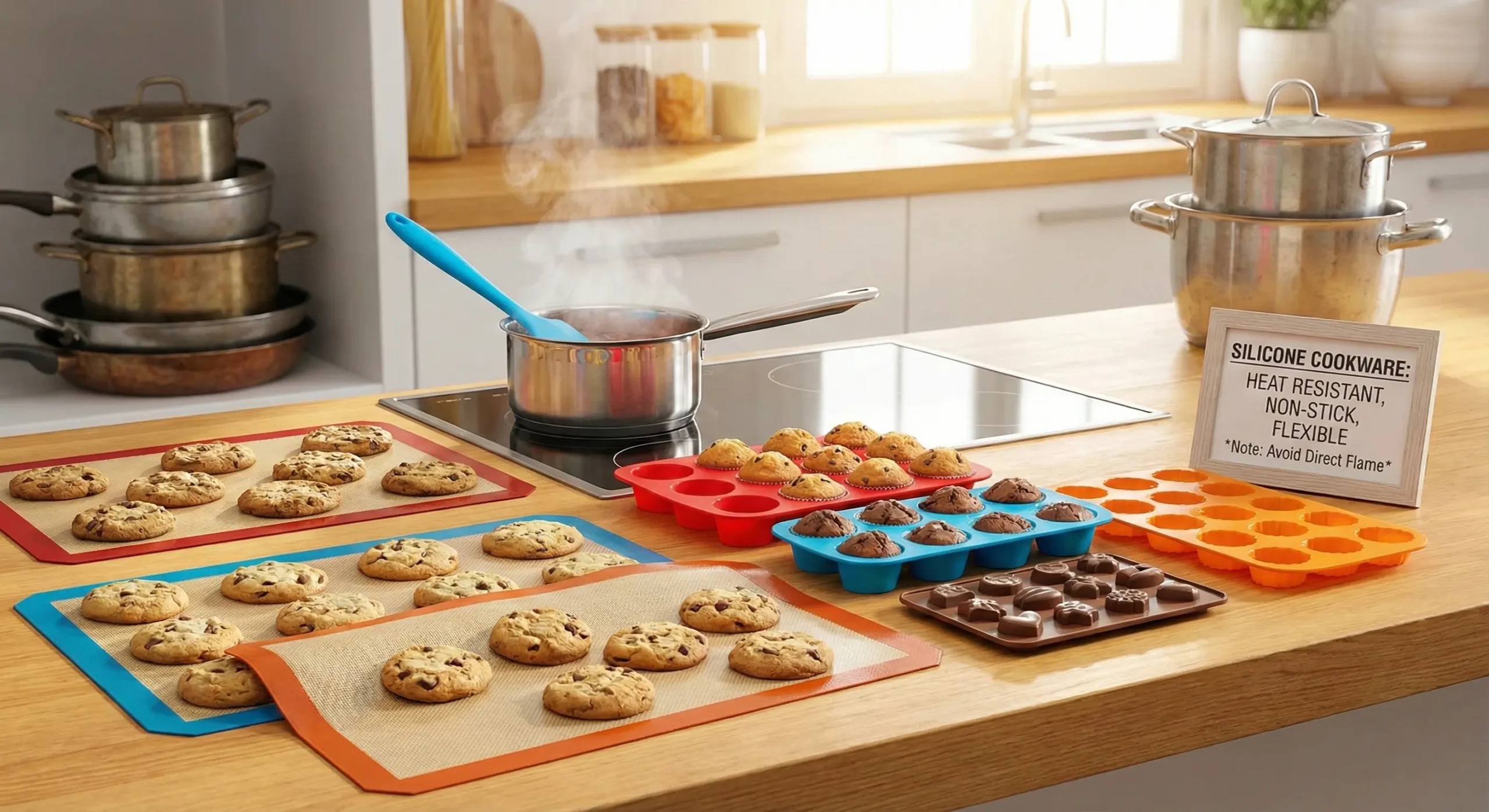

Silicone cookware has become a popular choice in many modern kitchens. It’s known for its flexibility, non-stick properties, and high heat resistance. People love it for baking, cooking, and even storing food. While this cookware is praised for its many benefits, ongoing debates persist about its safety and performance.
In this article, we’ll explore the pros and cons of silicone cookware. From its uses to safety concerns, this post covers everything you need to know before deciding whether to make it part of your kitchen essentials.
What is Silicone Cookware?
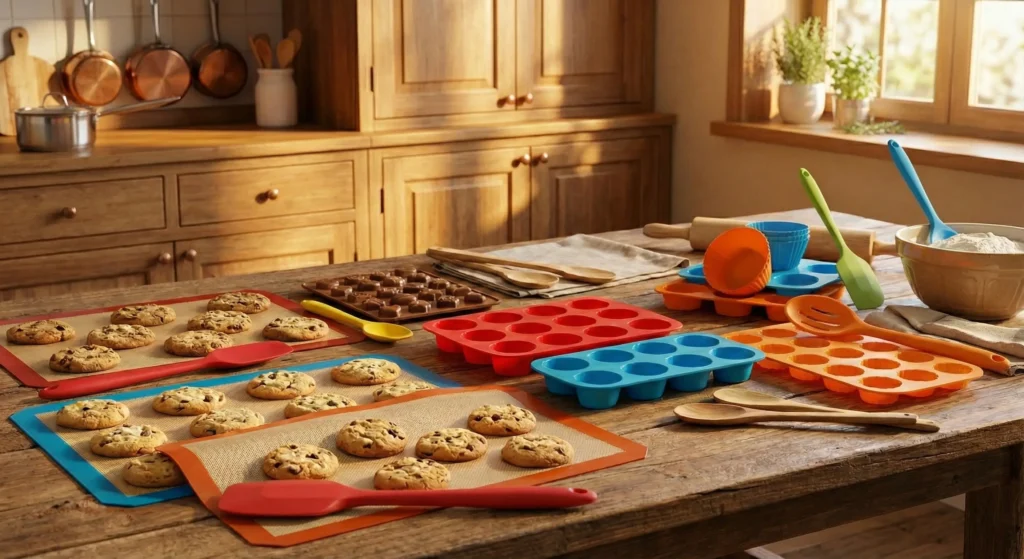
Silicone cookware is made from silicone rubber, a synthetic material that is highly flexible and heat-resistant. Silicone and oxygen bonding give the material its unique properties, including high durability and a non-stick surface. Many kitchen items, such as baking mats, spatulas, and molds, are made from silicone because of its versatility.
When choosing high-quality cookware of silicone, look for pure, food-grade silicone. This ensures the cookware is safe for food contact and won’t release harmful chemicals. Silicone is also known for being oven- and freezer-safe, meaning you can use it over a range of temperatures, from freezing to high heat.
How to Use Silicone Cookware
Using silicone cookware is convenient and straightforward. Because of its non-stick cooking surface, there’s usually no need for extra oil or butter, making it a great choice for low-fat cooking. The cookware can easily be placed in the oven, microwave, or even the freezer, depending on the recipe.
Cleaning cookware is just as easy. This is dishwasher-safe, allowing it to be cleaned in a dishwasher without damage. However, it is essential to check the manufacturer’s instructions, as some items may require handwashing for optimal care.
The Benefits of Silicone Cookware
There are many pros and cons to consider when adding silicone cookware to your kitchen. Here are some of the key benefits that make this stand out:
1. Flexibility and Durability
One of the most significant advantages of silicone cookware is its reusability. Unlike traditional bakeware, silicone products are often designed to last longer, reducing the need for frequent replacements.
2. Non-Stick Properties
Thanks to its silicone-oxygen bonding, the material is naturally non-stick. This means you won’t need to use as much fat or oil when cooking, making it an excellent option for health-conscious individuals. Silicone cookware for low-fat cooking is particularly beneficial for those looking to reduce calorie intake.
3. Temperature Resistance
Silicone cookware temperature limits are impressive. The material typically withstands temperatures from -40°F to 450°F, making it suitable for most cooking and baking needs. Whether you’re baking a cake or freezing homemade popsicles, silicone utensils performs well in both hot and cold environments.
Silicone Cookware for Kids
Silicone cookware for kids is growing in popularity due to its safety features. Since it’s soft and flexible, it’s less likely to cause injury than hard materials like metal. This cookware is often non-toxic, meaning it doesn’t release harmful chemicals when exposed to high heat, making it safer for children. Many parents love using silicone molds for baking or making fun treats, like chocolates or jellies, for their kids.
Why I Stopped Using Silicone Bakeware
Despite its popularity, some people decide to stop using silicone bakeware. One major reason is that it can sometimes fail to produce the desired results in baking. Unlike metal bakeware, silicone bakeware doesn’t conduct heat as effectively, so baked goods might not rise or brown as well. Additionally, some users have concerns about silicone cookware leach tests, wondering whether harmful chemicals could seep into food when exposed to high temperatures.
Another drawback is that This cookwares degradation can occur over time. Frequent exposure to extreme heat can cause the silicone to lose its shape and texture, reducing its effectiveness.
Is Silicone Cookware Safe?
The question of silicone cookware safety is often raised, especially regarding the potential for harmful chemicals to leach into food. Silicone FDA regulations state that food-grade silicone is safe for use in cooking and baking. However, concerns remain about silicones are leaching chemicals during extended exposure to high temperatures.
Purity Test for Silicone Cookware
To determine whether silicone cookware is truly safe, many manufacturers conduct quality testing. These tests examine whether any harmful chemicals migrate from the silicone into food. Studies have shown that pure food-grade silicone does not typically release toxins, but it’s essential to look for FDA-approved silicone to be sure.
FDA Position on Silicone Cookware
The FDA has approved as safe for food contact. This approval means that silicone products that meet FDA guidelines have undergone thorough testing and are considered non-toxic cookware. However, it’s still wise to be cautious and ensure the products you use are explicitly labeled as FDA-approved silicone cookware.
Debates on Leaching
While this migration chemicals are generally rare, some studies suggest that over time, silicone products might degrade and release small amounts of chemicals. This has sparked the silicone health risks debate, with some individuals questioning whether prolonged use could have any long-term effects.
What the Research Says About Silicone Molds
Research on silicone baking molds paints a mixed but informative picture of safety and performance. Some independent laboratory tests focused on heat stability and migration of chemical compounds from silicone into food or food-surrogates. One such study exposed different silicone baking molds to oven temperatures ranging from 200 to 220 °C and up to 280 °C.
During these tests, researchers measured “overall migration” — a proxy for potential leaching into fatty or oily foods using food simulants. Results suggested that under high heat and repeated use, certain volatile compounds (often residual oligomers) might migrate from silicone into the simulant.
On the performance side, silicone molds compare favorably with traditional metal bakeware in terms of ease of release and cleaning. Because silicone is flexible and naturally non‑stick, baked goods, cakes, muffins, or delicate desserts usually slide out cleanly, often without greasing or parchment paper.
Many bakers report that silicone molds simplify cleanup and reduce the risk of sticking, especially for intricate shapes or fragile items. However, heat conduction differs from that in metal pans: silicone tends to heat more slowly and less evenly, which can lead to longer baking times or a less crisp crust.
In summary, research highlights both strengths and caveats. Silicone molds deliver convenience, flexibility, and easy release a strong case for their use in many home kitchens. At the same time, chemical‑migration studies and heat-conduction limitations suggest that quality, proper temperature use, and proper testing matter a lot for safety and desired baking results.
Scientific Research on Silicone Baking Products
Scientific work on silicone baking products emphasizes chemical stability, durability, and the risk of migration under stress. One notable investigation exposed “silicone rubber baking molds” to repeated cycles of baking (175 °C), freezing (‑18 °C), and microwave use, then evaluated migration into food‑simulating solvents.
This kind of testing tries to mimic real‑world extremes. The findings revealed that some silicone molds, especially lower‑quality ones, released minor amounts of volatile compounds under harsh conditions.
In contrast, high‑quality food-grade silicone (often platinum‑cured, with the correct silicon‑oxygen backbone composition) tends to remain chemically stable, even at typical baking temperatures (up to 220–230 °C), without significant leaching. Researchers generally conclude that when silicone products meet regulatory standards and are used within recommended temperature limits, they pose minimal risk.
Nevertheless, some experts caution that long-term or repeated exposure — especially under high heat or with fatty food may increase the chance of chemical migration. For consumers, the takeaway from these studies is clear: choosing high-quality silicone bakeware, following manufacturer temperature guidelines, and avoiding extreme misuse helps ensure safety and performance.
Silicone Cookware Alternatives
If you’re not sold on silicone cookware, there are plenty of alternatives available. Some popular options include:
- Cast iron cookware: Offers excellent heat retention and even cooking.
- Ceramic cookware: A great alternative to silicone bakeware, it’s naturally non-stick and can withstand high temperatures.
- Carbon steel cookware: A durable, heat-efficient alternative to silicone kitchenware, ideal for high-heat cooking.
Each of these alternatives has its own set of benefits and drawbacks, but they may be worth considering for those seeking different cooking experiences.
Silicone in Summary
In conclusion, silicone cookware offers a range of benefits, from being oven-safe cookware to providing a non-stick cooking surface. It’s freezer-safe cookware, versatile, and easy to clean. However, concerns about silicones are leaching into food and potential degradation over time should be considered. Ultimately, this is a safe and practical option for most, but it’s essential to choose high-quality products and follow safety guidelines. Whether you choose silicone cookware for kids, for baking, or as an alternative to traditional materials, it remains a key player in modern kitchens.