

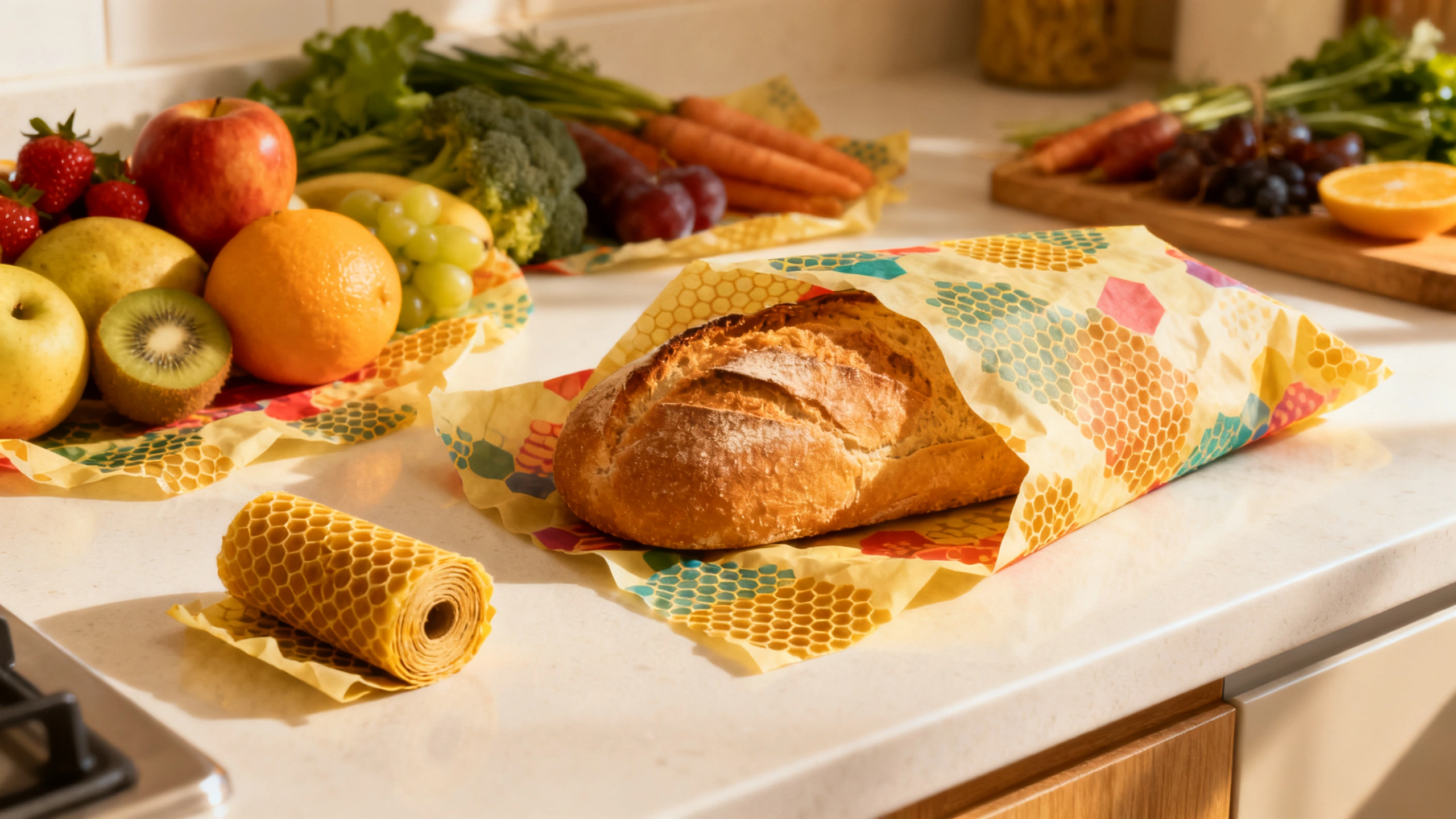

If you’re looking for a sustainable alternative to single-use plastic, beeswax wraps are a fantastic choice. These eco-friendly wraps help keep your food fresh, reduce waste, and add a touch of natural charm to your kitchen. But one question many people ask is, “how long do beeswax wraps last?” Understanding their lifespan, care tips, and usage can help you maximize their benefits while keeping your food safe and fresh. In this guide, we’ll explore everything from the basics of beeswax food wraps to DIY options and trusted brands.
Table of Contents
ToggleWhat Are Beeswax Wraps?
Beeswax wraps are natural alternatives to plastic wrap, made primarily from cotton fabric coated with beeswax, sometimes combined with pine resin and plant-based oils. They come in different sizes, including beeswax wrap sandwich sizes, beeswax bread wrap, and larger beeswax wrap rolls for vegetables or leftovers.
These wraps are designed to be reusable beeswax wraps that can cover bowls, wrap sandwiches, or preserve fruits, vegetables, and cheeses. Unlike plastic, they’re biodegradable and compostable, making them ideal for anyone aiming for a zero-waste kitchen.
You might also hear terms like natural beeswax food wrap, beeswax fabric food wrap, or cotton fabric for beeswax wraps, but all refer to this eco-conscious way to store food.
How Long Do Beeswax Wraps Typically Last?
On average, beeswax reusable wraps last anywhere from six months to a year with proper care. Commercially purchased wraps often last longer than homemade beeswax wraps, which may vary depending on the thickness of the wax coating and the quality of the fabric.
Several factors influence the lifespan of your wraps:
- Frequency of use – The more often you use and wash them, the faster they wear out.
- Types of food stored – Acidic foods like tomatoes or lemon can degrade the wax faster.
- Cleaning methods – Harsh detergents or hot water can shorten the lifespan of your beeswax food wraps.
Signs Your Beeswax Wrap Is Worn Out
Knowing when to replace your reusable beeswax wrap is important for food safety. Common signs include:
- Wax cracking or peeling off the fabric
- Loss of stickiness or adherence
- Staining or lingering odors from food
- Fabric fraying at the edges
If your wrap shows any of these signs, it’s time to retire it or refresh it using a beeswax wrap recipe or DIY method.
Extending the Lifespan of Beeswax Wraps
Taking care of your beeswax food wraps can dramatically extend their usability:
- Cleaning: Always hand wash your beeswax wrap with cool water and mild soap. Avoid boiling water or dishwashers, which can melt the wax.
- Drying and storing: Air dry completely before folding or storing in a drawer.
- Refreshing: You can rejuvenate worn wraps by lightly coating them with melted beeswax and placing them in the oven for a few minutes
Proper care ensures your wraps remain reusable beeswax food wraps for months, reducing plastic waste and saving money.
DIY Beeswax Wraps – A Sustainable Option
For eco-enthusiasts, making your own DIY beeswax wrap is a fun and rewarding project. Here’s a brief overview:
- Cut cotton fabric for beeswax wraps to your desired size.
- Sprinkle beeswax pellets (and optional pine resin for extra stickiness) evenly over the fabric.
- Use an oven or iron to melt the wax into the fabric.
- Let it cool, and your homemade beeswax wraps are ready!
DIY wraps allow you to customize patterns, sizes, and thickness, creating your own custom beeswax wrap. Homemade wraps may last slightly less than commercial wraps, but with proper care, they remain a practical and eco-friendly option.
How to Use Beeswax Wraps Effectively
Beeswax reusable wraps are versatile and easy to use. Some tips include:
- Use a beeswax wrap sandwich for lunch sandwiches or snacks.
- Wrap bread with a beeswax bread wrap to keep it fresh longer.
- Cover bowls or plates as an alternative to cling film.
- Slightly warm the edges with your hands to mold the wrap around your food.
These wraps are designed for beeswax wraps for food storage and can be reused multiple times with proper care.
Best Companies Selling Beeswax Wraps
If DIY isn’t your style, there are excellent commercial options available. Some of the best companies selling beeswax wraps include brands known for quality, durability, and eco-conscious sourcing. Look for products labeled as reusable beeswax wraps, natural beeswax food wraps, and beeswax food wrap DIY.
Why Trust Best Eco Kitchen Tools
At Best Eco Kitchen Tools, we provide thoroughly researched and practical guides for all things eco-friendly. When it comes to beeswax wraps, our content is:
- Accurate: All information is based on expert advice and verified resources.
- Comprehensive: From DIY instructions to buying guides and care tips, we cover every aspect.
- Eco-conscious: We focus on sustainable kitchen solutions that genuinely reduce waste.
You can rely on us to guide you in choosing the best beeswax wrap for your kitchen, whether DIY or store-bought.
Check Related Post: 6 Best Cast Iron Cookware Set | Are Air Fryers Healthy | How to Choose the Right Induction Cookware Pots | 7 Best Induction Ready Cookware Sets
FAQs About Beeswax Wraps
How often should I replace beeswax wraps?
Most reusable beeswax wraps last 6–12 months. Signs of wear, such as cracking or loss of stickiness, indicate it’s time to replace them.
What are the disadvantages of beeswax wraps?
Some pros and cons of beeswax wraps include:
- Pros: Eco-friendly, reusable, and safe for many foods.
- Cons: Not suitable for raw meat, can’t go in boiling water, may retain odors, and lifespan is limited.
How long do homemade beeswax wraps last?
Homemade beeswax wraps typically last 3–6 months, depending on usage, fabric quality, and care (homemade beeswax wraps, DIY beeswax wraps). Proper washing and occasional refreshment with melted beeswax can extend their life.