
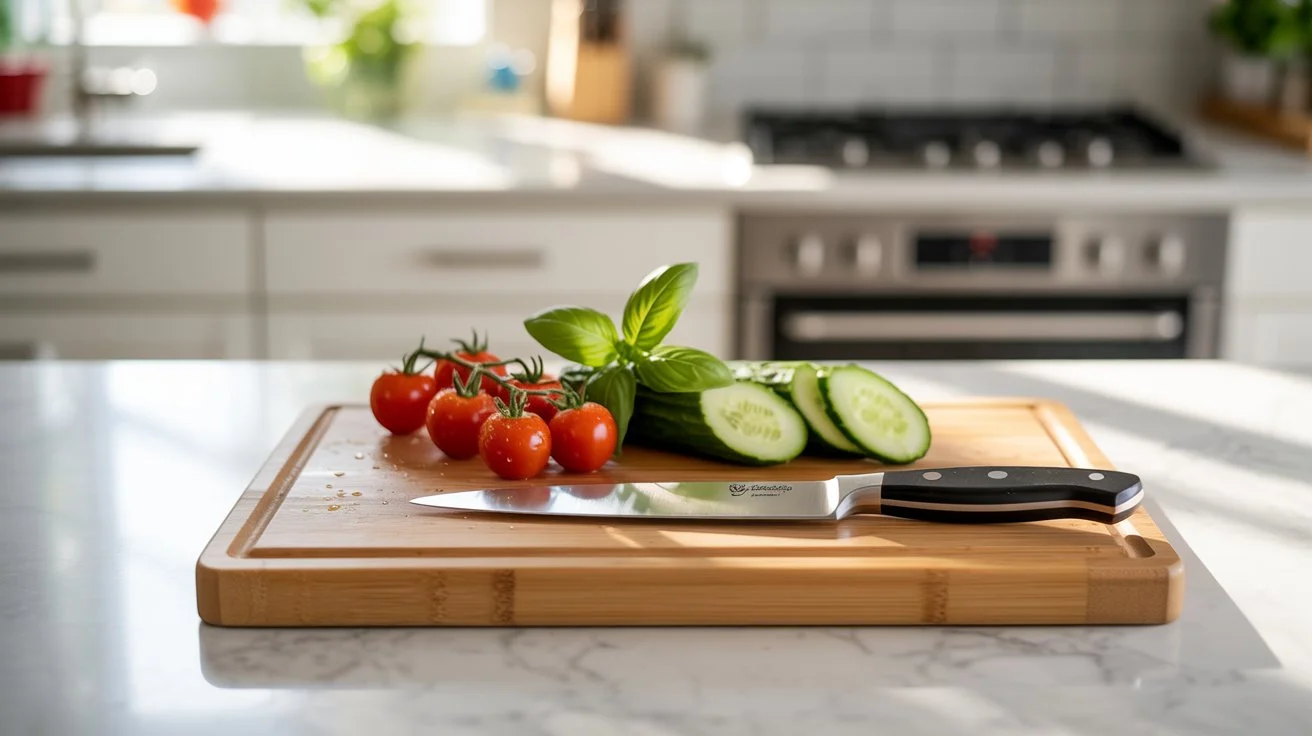

Is bamboo a good wood for cutting boards? This question has become increasingly common among American home cooks and kitchen enthusiasts who are searching for the perfect balance between sustainability, performance, and affordability in their culinary tools. Bamboo has rapidly emerged as a rising star in kitchens across the United States, capturing attention not just for its eco-friendly credentials but also for its impressive durability and natural beauty.
As more households embrace environmentally conscious living, bamboo cutting boards have moved from being an exotic novelty to a mainstream kitchen essential that rivals traditional hardwoods like maple and walnut. The appeal is clear: bamboo offers a guilt-free way to upgrade your kitchen while potentially saving money and contributing to forest conservation efforts.
Whether you’re a busy parent looking for budget-friendly kitchenware, a passionate home cook seeking sustainable kitchenware, or simply someone curious about this trending material, understanding what makes bamboo special will help you make an informed decision for your kitchen.
What sets bamboo apart from traditional hardwoods like maple or walnut is its botanical classification and structural composition that make it uniquely suited for kitchen use. Technically, bamboo isn’t a wood at all but rather a grass that grows incredibly fast and possesses remarkable strength that rivals many traditional lumber options.
Unlike hardwood trees that take decades to mature, bamboo reaches harvestable size in just three to five years through sustainable bamboo harvesting practices that minimize environmental impact. This self-regenerating plant doesn’t require replanting after harvest, as its root system continues producing new shoots year after year without degradation of the parent plant.
The grass fibers align in ways that create exceptional strength and resilience, making bamboo suitable as a vegetable chopping board, meat cutting board, or bread cutting board with equal effectiveness across all food preparation tasks. From urban apartments to suburban homes, bamboo cutting boards have found their place on kitchen countertops nationwide, offering a compelling alternative that combines environmental responsibility with practical functionality that modern households demand.
Why Bamboo?
Bamboo cutting boards represent a perfect intersection of environmental responsibility and practical functionality in modern kitchens. The sustainability benefits of bamboo are genuinely impressive and go far beyond simple marketing claims. As a renewable material, bamboo grows at an astonishing rate of up to three feet per day in optimal conditions, making it one of the fastest-growing plants on Earth.
This rapid growth cycle means bamboo forests can be harvested sustainably without contributing to deforestation, a critical concern for traditional hardwood lumber. Many quality bamboo products come with FSC Certified bamboo boards designation from the Forest Stewardship Council, ensuring that the bamboo was harvested using responsible practices that protect ecosystems and support local communities. This certification matters tremendously for conscious consumers who want assurance their kitchen purchases align with their values about environmental stewardship and global sustainability.
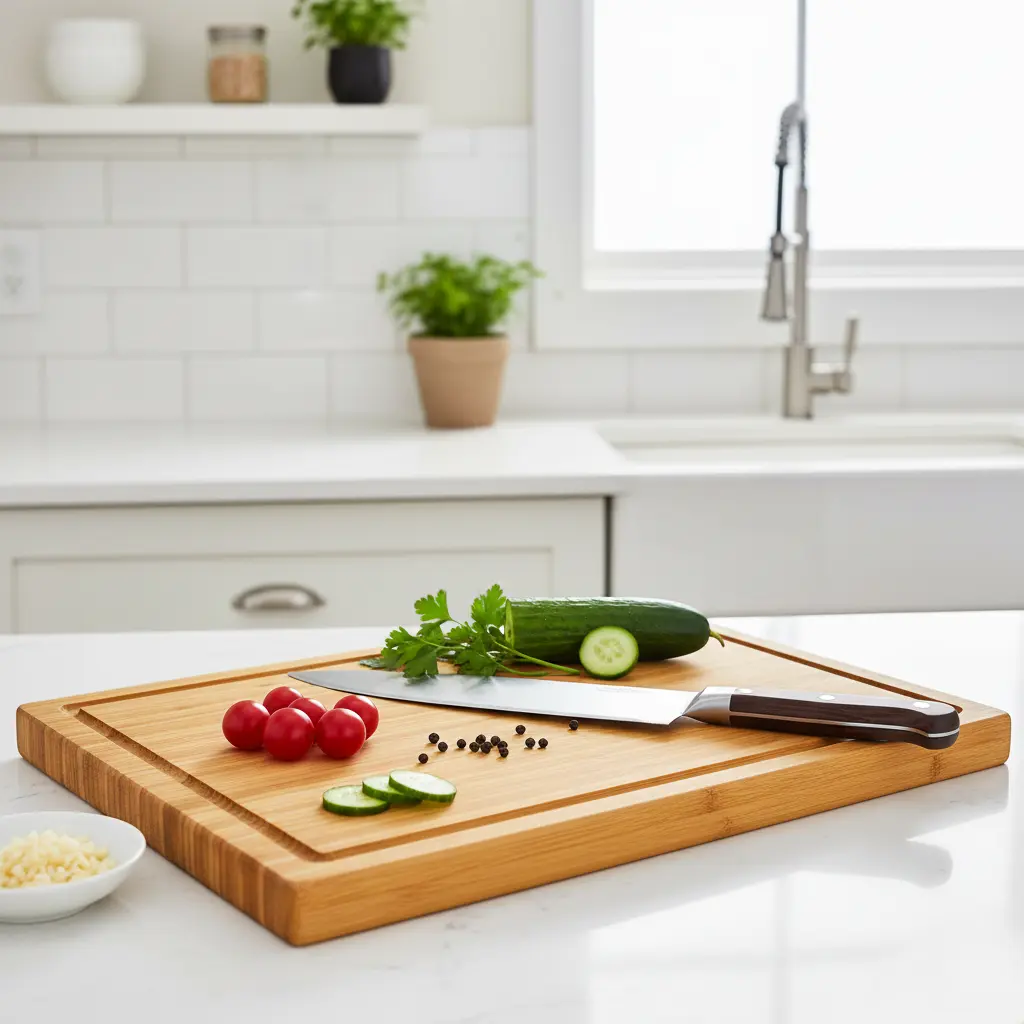
The strength and durability of bamboo cutting boards often surprises first-time buyers who assume that being a grass means bamboo must be weak or prone to damage. In reality, bamboo exhibits a Janka hardness rating that exceeds many popular hardwoods, with some bamboo varieties testing harder than red oak or black walnut. This exceptional hardness translates to practical advantages in daily kitchen use, including superior knife resistance against board wear and extended lifespan compared to softer materials.
The aesthetic appeal of bamboo adds another dimension to its popularity, offering a light, honey colored surface with subtle grain patterns that complement both modern and traditional kitchen designs. The clean, uniform appearance works beautifully as a reversible chopping boards option, with both sides equally attractive and functional.
Beyond looks and sustainability, bamboo possesses natural anti-microbial properties that provide inherent bacteria resistance, though proper cleaning remains essential. Studies have shown that bamboo’s natural silica content creates an environment less hospitable to bacterial growth, potentially reducing risks of cross-contamination prevention failures and Salmonella risk reduction when proper food handling protocols are followed. Also we have discovered the bamboo vs wood cutting board which is safer & long-lasting?
Are Bamboo Boards Better than Plastic?
The debate between bamboo cutting boards vs plastic cutting boards has intensified as consumers become more aware of both environmental impacts and food safety concerns associated with their kitchen tools. Bamboo offers compelling advantages over plastic in several key areas that matter to home cooks bamboo boards users across America. First, the eco-friendliness difference is stark and undeniable. Plastic cutting boards derive from petroleum products, are not biodegradable, and contribute to the growing crisis of plastic pollution in landfills and oceans.
Even when recycled, plastic boards eventually end up as waste that persists in the environment for hundreds of years. Bamboo, by contrast, comes from a rapidly renewable resource, biodegrades naturally at the end of its useful life, and represents a genuinely sustainable kitchenware choice that reduces your household’s environmental footprint. The toughness comparison also favors bamboo significantly, as quality bamboo chopping board options maintain their structural integrity far longer than plastic alternatives.
Plastic cutting boards present serious drawbacks that become apparent after just a few months of regular use. Every knife cut creates grooves and scratches in the plastic surface that become permanent homes for bacteria, food particles, and moisture. These grooves are nearly impossible to clean thoroughly, even with hot water and sanitizing solutions, creating ongoing food safety in cutting boards concerns.
Research has documented how these knife-scarred plastic surfaces can harbor dangerous pathogens even after washing. Bamboo’s harder surface resists this kind of damage much more effectively, maintaining a smoother cutting surface that’s easier to sanitize and doesn’t create the same bacterial hiding places.
From a practical perspective regarding cost, availability, and lifespan, bamboo represents excellent value. While quality bamboo boards might cost slightly more upfront than basic plastic options, they’re significantly cheaper than hardwood boards like maple or walnut while lasting much longer than plastic.
The affordable cutting boards market now includes numerous budget-friendly kitchenware bamboo options, making them accessible to virtually every household. Many retailers offer bamboo as economical kitchen tools that work as a vegetable chopping board, meat cutting board, or bread cutting board with equal effectiveness, providing a one-size-fits-all board solution that plastic simply cannot match in terms of performance and longevity.
Are Bamboo Boards Heat Resistant?
Understanding how bamboo responds to heat is crucial for maintaining your cutting board’s longevity and preventing damage that could compromise its usefulness. Bamboo cutting boards do exhibit moderate heat tolerance, meaning they can withstand brief contact with warm items like a freshly baked loaf of bread or a pot that’s cooled slightly after cooking. The dense cellular structure of bamboo provides some natural insulation against heat resistant bamboo boards occasional thermal stress.
However, it’s absolutely essential to understand that heat resistant doesn’t mean heatproof or fireproof. Bamboo will scorch, burn, and sustain permanent damage when exposed to truly hot cookware, direct flames, or prolonged high temperatures. The exposure to high temperatures will cause discoloration, surface burns on bamboo, and structural weakening that creates permanent marks and compromises the board’s integrity.
The most common heat-related damage to bamboo cutting boards comes not from cooking activities but from improper cleaning methods, specifically dishwasher use. The high-temperature drying cycles in modern dishwashers subject bamboo to extreme heat combined with moisture fluctuations, creating the perfect conditions for bamboo warping and cracking. This thermal stress causes the bamboo to expand and contract rapidly, leading to splits, warps, and separations in the laminated layers that can never be fully repaired.
For home cooks in the USA who value convenience, this means accepting that bamboo boards require hand washing despite our modern preference for dishwasher ease. The practical advice here is simple and straightforward: treat your bamboo board as you would a quality wooden spoon or salad bowl.
Never place it in the dishwasher, never use it as a trivet for hot pans, and always allow cooked items to cool adequately before placing them on the bamboo surface for cutting or serving. Following these guidelines ensures your bamboo cutting board maintains its structural integrity and attractive appearance for many years of reliable kitchen service.
How to Clean Your Bamboo Cutting Board for Maximum Longevity
Proper cleaning techniques are absolutely fundamental to maintaining a hygienic, long-lasting bamboo cutting board that serves your kitchen well for years. The good news is that cleaning bamboo correctly isn’t complicated or time-consuming, requiring only a few simple steps performed consistently.
The golden rule for bamboo care is to always hand wash bamboo board surfaces rather than taking shortcuts with mechanical cleaning. Start your cleaning routine immediately after use by scraping off any large food particles with a bench scraper or the back of your knife. Then wash the board thoroughly with mild dish soap and a warm water rinse, using a sponge or dishcloth to scrub both sides of the board even if you only used one side during food preparation. Pay special attention to any areas that contacted raw meat, poultry, or fish, scrubbing these zones more vigorously to ensure complete removal of proteins and potential pathogens.
After washing with soap and water, rinse the board completely under running water to remove all soap residue, which can leave a film that affects food flavors. Immediately dry the board thoroughly with a clean towel, wiping both sides and all edges to prevent moisture absorption that leads to warping.
Stand the board upright or prop it at an angle to allow air circulation on all surfaces during final drying. Never leave a bamboo board lying flat in a sink filled with water or submerge it for extended soaking, as excessive water exposure causes the bamboo fibers to swell, warp, and eventually crack.
For food stain removal from items like beets, turmeric, or berries, create a paste using baking soda and water, spread it over the stained area, let it sit for five to ten minutes, then scrub and rinse thoroughly. For deodorizing a board that has absorbed strong odors from garlic, onions, or fish, cut a lemon in half and rub it across the entire surface, or create a solution of equal parts water and white vinegar to disinfect with vinegar while neutralizing odors.
These natural cleaning methods provide effective bamboo board maintenance without harsh chemicals that could damage the bamboo or contaminate your food. Proper, consistent cleaning addresses food safety in cutting boards concerns while preserving the board’s appearance and structural integrity, making it an essential habit for every bamboo board owner.
Should Bamboo Boards be Seasoned?
Seasoning your bamboo cutting board through regular oiling is not optional maintenance but rather an essential practice that dramatically extends the board’s useful life and performance. The porous bamboo surface naturally absorbs moisture from foods, washing, and environmental humidity, which causes the bamboo fibers to expand and contract. Without protective oiling, this moisture cycling leads to warping, cracking, splitting, and premature failure of your cutting board investment. Understanding why oiling matters helps motivate consistent maintenance.
Food-safe oils create a protective barrier that fills the bamboo’s pores, preventing excessive moisture absorption while maintaining the natural flexibility that keeps the board from becoming brittle. This protective layer also enhances the board’s natural anti-microbial properties by creating a smoother surface where bacteria cannot easily establish colonies, though oiling never replaces proper cleaning protocols for food safety in cutting boards assurance.
Selecting the right oil for oiling bamboo cutting boards makes a significant difference in results and maintenance frequency. The best choices are neutral oils vs olive oil options that don’t turn rancid, with food-grade mineral oil being the gold standard recommended by most manufacturers and kitchen professionals. Mineral oil remains stable indefinitely, has no odor or taste, and costs very little at any pharmacy or kitchen supply store.
Alternative options include specialized board oil or board cream products that often combine mineral oil with beeswax for enhanced protection and easier application. Some people use fractionated coconut oil successfully, though standard coconut oil can solidify in cooler temperatures.
Avoid using regular vegetable oils, olive oil, or other cooking oils, as these contain fats that oxidize and turn rancid over time, creating unpleasant odors and potential food safety issues. For seasoning cutting boards frequency, a newly purchased bamboo board should be oiled before its first use and then oiled again after the initial few uses as the dry bamboo absorbs oil readily.
Established boards with regular use need oiling approximately once monthly, though the exact schedule depends on how heavily you use the board and your kitchen’s humidity level. To oil your board, apply a generous amount of mineral oil across the entire surface using a clean cloth or paper towel, covering both sides and all edges.
Let the oil soak in for several hours or overnight, then wipe away any excess that hasn’t absorbed. This re-oil surface regularly practice provides the protective layer that prevents bamboo warping and cracking while extending board lifespan significantly, often adding years of productive use to a board that might otherwise fail prematurely from moisture damage.
Conclusion
After examining all aspects, the answer to Is Bamboo a Good Wood for Cutting Boards is a definite yes. Bamboo offers an ideal balance of durability, affordability, and sustainability. Its natural antimicrobial properties, resistance to knife marks, and eco-friendly harvesting practices make it perfect for everyday use in American kitchens, appealing to both professional chefs and home cooks who value performance and responsibility.
Bamboo cutting boards are versatile, cost-effective, and environmentally conscious kitchen tools. They work well for chopping vegetables, cutting meat, or slicing bread. With proper care—hand washing and regular oiling—these boards last for years. The sustainable nature and elegant design of bamboo make it a smart, guilt-free, and practical choice for any modern household.