
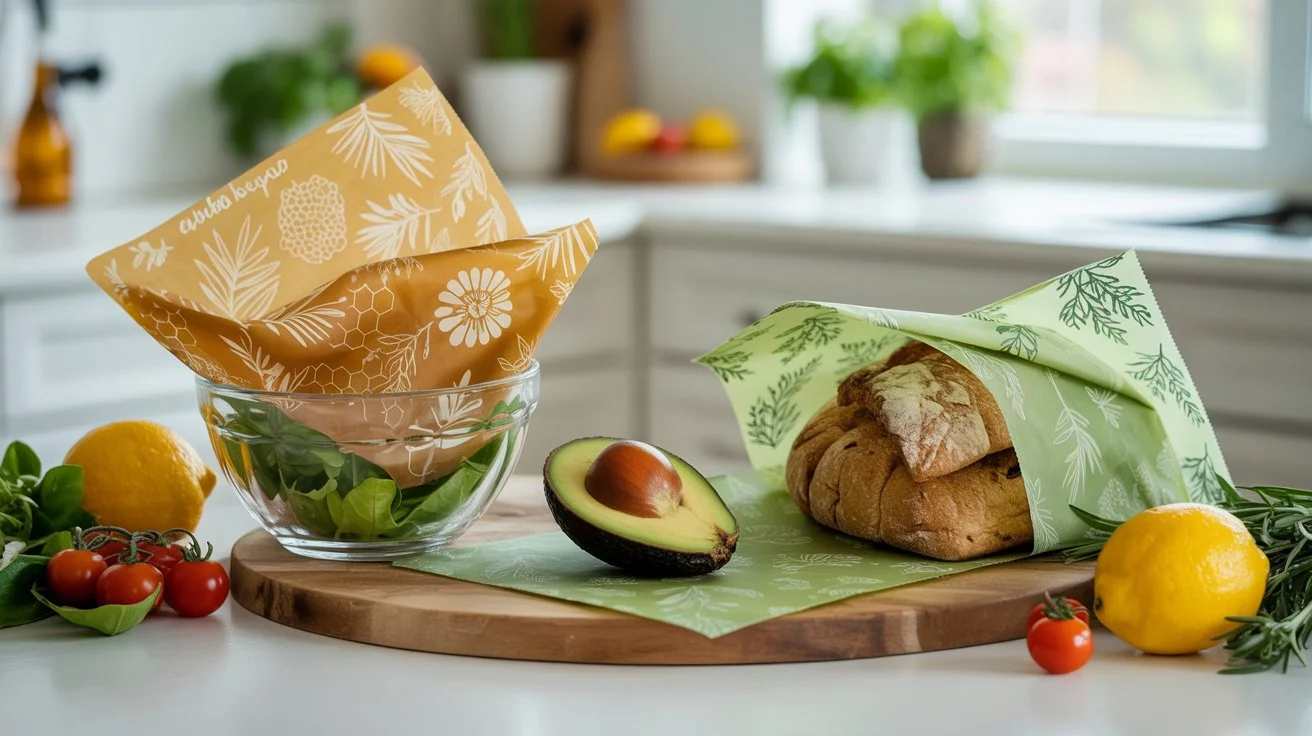

The kitchen revolution has arrived silently, wrapped in honeycomb patterns and natural fibers. Beeswax food wraps represent a paradigm shift in how households approach food preservation. These ingenious textile creations combine organic cotton fabric with a proprietary coating of beeswax, jojoba oil, and tree resin.
The amalgamation creates a malleable, adhesive surface that molds perfectly around bowls, vegetables, cheese blocks, and sandwich halves. Unlike their petroleum-based predecessors, these wraps breathe while protecting.
Mainstream adoption has exploded across American households over recent years. What started as a niche product for environmental enthusiasts has transformed into a staple found in suburban pantries nationwide. Major retailers like Whole Foods, Target, and even Walmart now dedicate shelf space to various beeswax wrap brands.
The transition reflects growing consumer awareness about single-use plastic consequences. People aren’t just purchasing wraps they’re investing in tangible environmental action that fits seamlessly into daily routines without demanding lifestyle overhauls.
The Hidden Environmental Crisis Your Plastic Wrap Creates
Americans discard approximately 380 million tons of plastic annually, with conventional food wrap contributing substantially to this staggering figure. Each roll of plastic cling film represents petroleum extraction, energy-intensive manufacturing, and centuries of landfill persistence. The thin, clingy sheets people casually tear off never truly disappear.
They fragment into microscopic particles that infiltrate soil, waterways, and eventually the food chain. Studies reveal that average households generate roughly 12 pounds of plastic wrap waste yearly multiply that across millions of homes, and the catastrophe becomes apparent.
Marine ecosystems bear the brutal consequences of humanity’s plastic addiction. Ocean currents concentrate discarded wraps into massive gyres where sea turtles mistake floating sheets for jellyfish, their primary sustenance. Microplastic contamination now permeates even the deepest oceanic trenches.
Scientists have documented plastic particles in fish tissue, shellfish, and sea salt consumed by humans. The circular nightmare completes itself when the convenience product designed to preserve food ultimately contaminates the entire global food supply with toxic polymer residues.
How Beeswax Food Wraps Actually Work
The magic lies in carefully balanced natural ingredients working synergistically. Beeswax provides the waterproof barrier and natural antimicrobial properties that inhibit bacterial proliferation on food surfaces. Jojoba oil contributes flexibility, preventing the wrap from becoming brittle with repeated use.
Tree resin typically pine or damar varieties adds tackiness that allows the wrap to adhere to itself and container edges. This triumvirate creates a semi-permeable membrane that regulates moisture while blocking contaminants. The absence of synthetic chemicals means zero toxin leaching onto edibles.
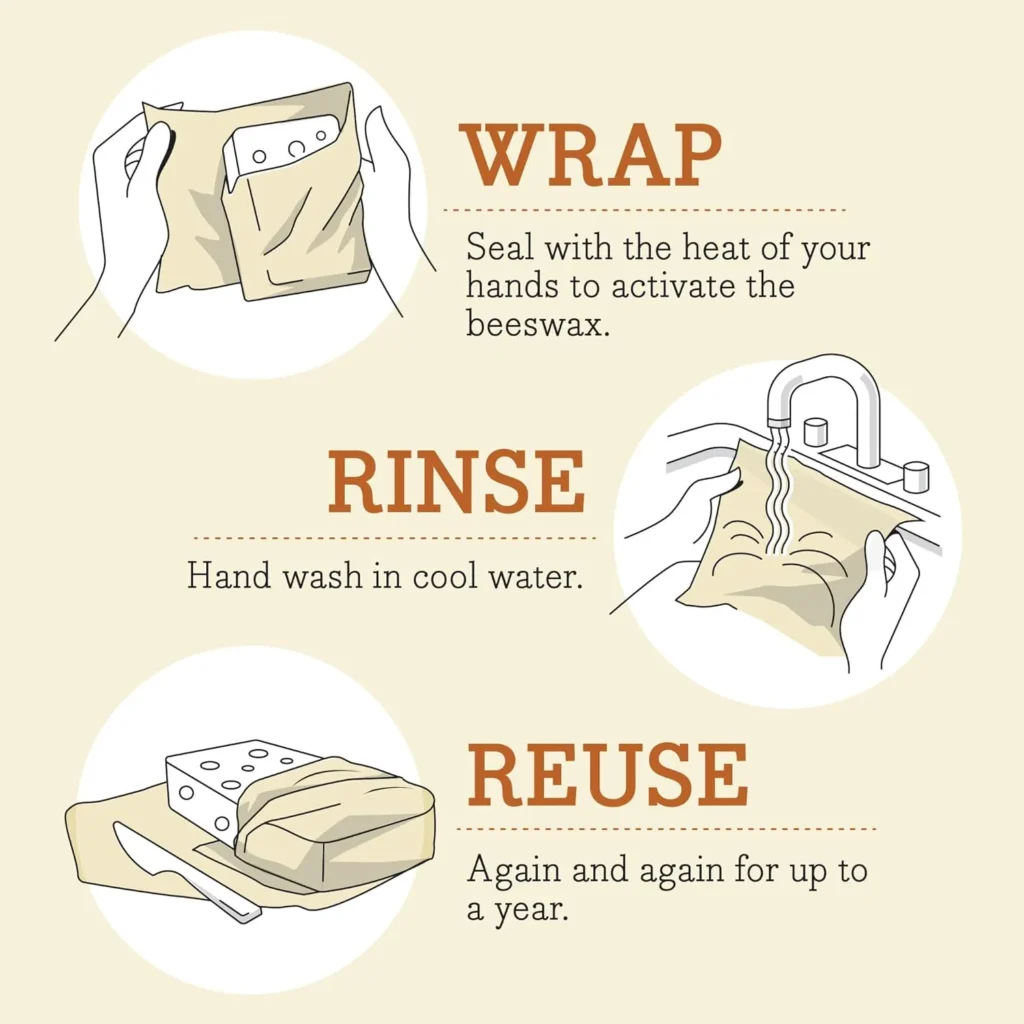
Thermoplastic behavior distinguishes these wraps from static alternatives. When warmed by hand heat, the beeswax softens slightly, becoming pliable and conforming to irregular shapes. The wrap essentially becomes moldable, wrapping snugly around cut avocado halves or odd-shaped leftover containers. As temperature drops, the wax re-solidifies, maintaining the formed shape and creating an effective seal.
This self-sealing mechanism requires no clips, bands, or additional fasteners. The natural food preservation occurs through breathability excess moisture escapes while protective coverage remains intact, preventing wilting or premature spoilage.
7 Surprising Benefits of Switching to Beeswax Wraps Today
Financial mathematics overwhelmingly favor reusable options over disposable counterparts. Quality beeswax food wraps typically range from $18-$35 for starter sets containing three to five varied sizes. Compare this against conventional plastic wrap expenditure: households purchasing two rolls monthly at $4 each spend approximately $96 annually.
Over five years, disposable wrap costs accumulate to $480, while a single beeswax wrap set lasting two to three years with proper maintenance represents less than $70 for comparable coverage. The cost-effectiveness becomes undeniable when factoring longevity.
Money You’ll Save Over Five Years
Breaking down long-term economics reveals substantial household savings potential. Consider this comparative analysis spanning five years of typical kitchen use. A household using two plastic wrap rolls monthly invests $480 total. That same household purchasing three beeswax wrap sets (replacing them every 18-24 months) spends approximately $105-$140 maximum.
The differential represents $340-$375 retained in family budgets—enough for quality cookware upgrades, organic produce purchases, or simply reducing monthly expenses. These calculations don’t account for decreased waste disposal costs in municipalities charging by bag weight or volume.
Keeping Your Food Fresher Longer Naturally
Breathability science revolutionizes produce preservation compared to airtight plastic enclosure. Fruits and vegetables continue respiring after harvest, releasing moisture and ethylene gas. Plastic wrap traps this moisture, creating condensation that accelerates decay and mold proliferation.
Beeswax wraps allow controlled air exchange, letting excess moisture escape while maintaining sufficient humidity to prevent dehydration. Leafy greens wrapped in beeswax fabric stay crisp for seven to ten days versus three to five days in plastic bags. The natural enzymes in beeswax also contribute mild antibacterial effects that extend freshness windows.
What You Can (and Absolutely Cannot) Wrap
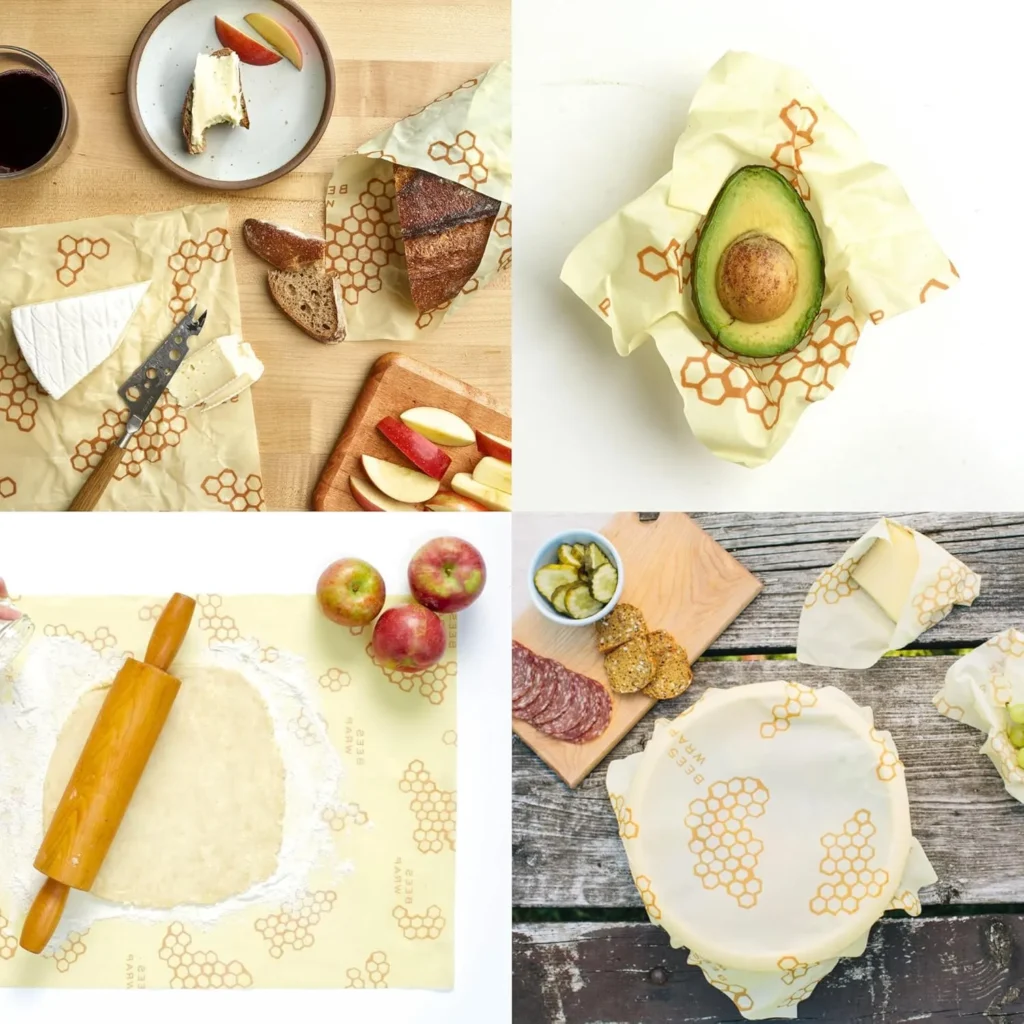
Ideal applications include cheese blocks, vegetable halves, bread loaves, baked goods, and bowl covers for leftovers. The wraps excel at preserving sandwiches for lunch boxes without creating sogginess. They work beautifully covering rising dough during fermentation or protecting cut fruit from oxidation.
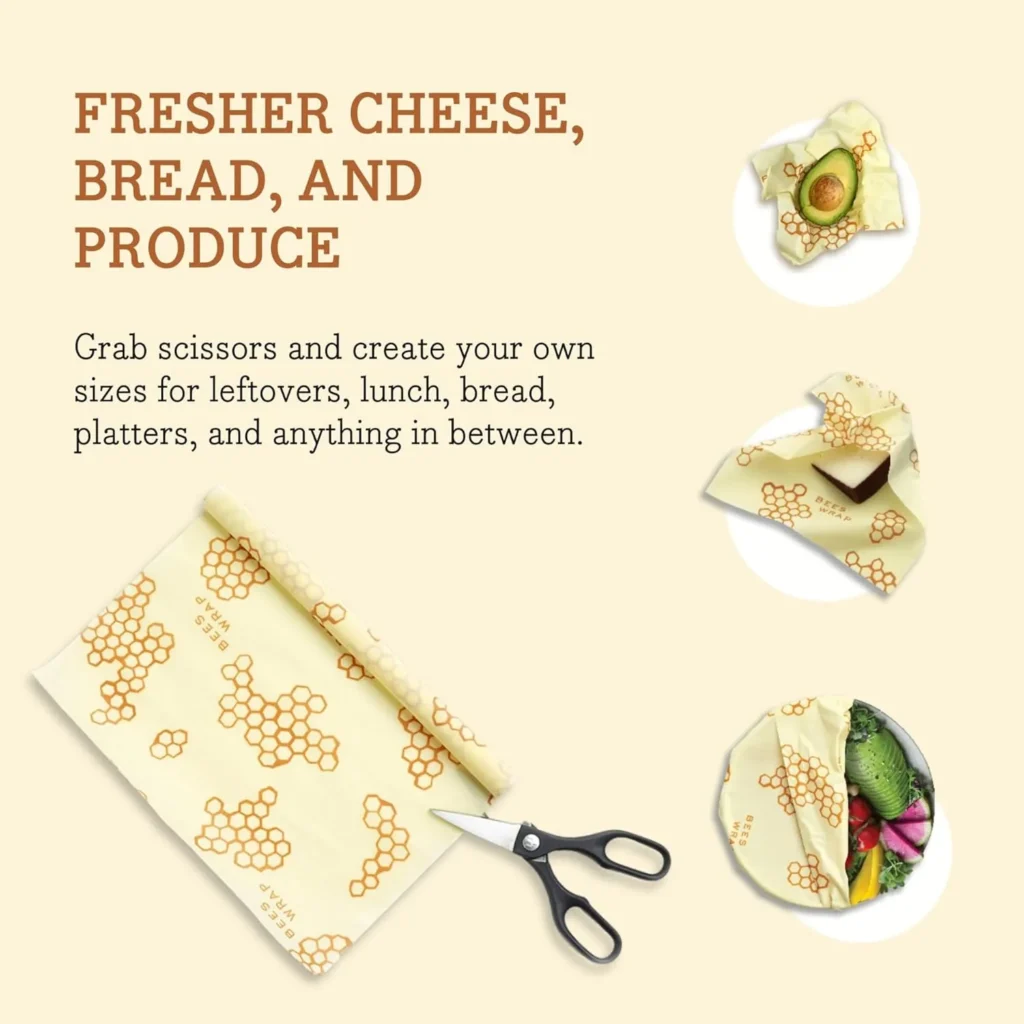
Reusable beeswax wraps shine when storing nuts, crackers, or other dry goods that benefit from breathable protection. They’re perfect for wrapping herb bundles, keeping them fresh while allowing essential oils to concentrate rather than dissipate.
Temperature restrictions and raw protein safety require careful consideration. Never use beeswax wraps with raw meat, poultry, or fish bacteria from these items contaminate the fabric and become impossible to sanitize adequately without degrading the wrap. Hot foods above 150°F will melt the beeswax coating, destroying the wrap’s integrity.
Acidic items like raw citrus halves or tomato-based dishes can break down the beeswax over time. The zero-waste kitchen solution works optimally with room-temperature or refrigerated foods. Freezer storage is acceptable for wrapped items that won’t be opened repeatedly.
Choosing the Perfect Beeswax Food Wraps for Your Kitchen
Quality indicators separate premium products from inferior alternatives that frustrate users and fail prematurely. Examine the fabric foundation first GOTS-certified organic cotton provides the optimal balance between durability and breathability. The weave density matters tremendously; loosely woven fabrics absorb excessive wax amounts while tight weaves resist adequate saturation.
Check whether manufacturers source sustainably harvested beeswax from ethical apiaries rather than industrial operations using questionable practices. Transparent ingredient disclosure signals reputable producers confident in their formulations.
Size variety and aesthetic considerations affect practical functionality and user adoption rates. Standard sets typically include small (7×8 inch), medium (10×11 inch), and large (13×14 inch) dimensions covering most kitchen applications. Some brands offer extra-large (16×16 inch or bigger) options for casserole dishes or bread loaves.
Pattern selection might seem frivolous, but visually appealing designs encourage consistent usage especially when transitioning skeptical family members. Vibrant botanical prints, geometric patterns, or simple honeycomb motifs transform eco-friendly food storage into desirable kitchen accessories rather than austere sacrifices.
Organic vs. Conventional: Does It Matter?
Certification importance transcends marketing buzzwords when considering pesticide residue accumulation. Conventional cotton ranks among agriculture’s most chemical-intensive crops, with finished fabric retaining trace pesticide amounts. When coating that fabric with beeswax and placing it directly against food, those residues potentially migrate.
GOTS organic certification guarantees the entire textile supply chain from seed to finished fabric avoids synthetic pesticides, harmful dyes, and toxic processing chemicals. The sustainable food wrap designation becomes meaningless if the foundation material contradicts ecological principles.
Size Guide: Which Dimensions You Actually Need
Practical sizing recommendations prevent purchasing redundant dimensions while ensuring adequate coverage for common applications. Small wraps (7-8 inches) perfectly accommodate lemon halves, small cheese wedges, or individual cookies. Medium sizes (10-11 inches) handle sandwich wrapping, avocado halves, or small bowl covers.
Large wraps (13-14 inches) work for bread loaves, large vegetable halves, or standard mixing bowl coverage. Extra-large options (16+ inches) suit casserole dishes or multiple food item bundling. Most households find three to four medium wraps and two large wraps sufficiently cover 90% of daily applications.
DIY Beeswax Food Wraps: Make Your Own in 15 Minutes
Essential materials include organic cotton fabric cut to desired dimensions, beeswax pellets or blocks, jojoba oil, and pine resin optional for enhanced tackiness. Source fabric from old bed sheets, worn napkins, or purchase quarter-yard cuts from fabric stores prewash thoroughly to remove sizing chemicals. Beeswax pellets simplify measurement and melting compared to block forms requiring grating.
Jojoba oil prevents brittleness and extends wrap flexibility. Pine resin adds stickiness but remains optional for beginners. Equipment needs include parchment paper, an old paintbrush, and either an oven or iron for heat application.
The fabrication process requires minimal skill yet yields professional results. Preheat the oven to 185°F or set an iron to low without steam. Cut fabric squares, hemming edges prevents fraying though raw edges work acceptably. Place fabric on parchment-lined baking sheets, sprinkling beeswax pellets evenly across the surface approximately one ounce per square foot. Add several jojoba oil drops.
Heat until completely melted, using a brush to distribute the mixture uniformly. The fabric should appear saturated but not dripping. Peel warm fabric from parchment, waving briefly to cool and set. Voilà custom DIY beeswax wraps emerge ready for immediate deployment.
Cleaning and Care: Making Your Wraps Last Years
Proper washing techniques dramatically extend functional lifespan from months to multiple years of reliable service. Rinse wraps under cool running water immediately after use, preventing food residue from setting. For stubborn spots, use mild dish soap and a soft cloth—never abrasive scrubbers that damage the wax coating.
Water temperature remains absolutely critical; hot water melts beeswax, creating irreversible damage. Cold to lukewarm water (below 100°F) effectively removes debris while preserving the coating integrity. Air drying works best drape wraps over dish racks or clotheslines away from direct heat sources.
Storage methods prevent premature wear and maintain readiness for immediate use. Fold wraps loosely rather than creasing sharply, as repeated fold lines eventually crack the wax coating. Some users prefer rolling wraps around cardboard tubes to minimize creasing entirely.
Store in cool, dry locations away from direct sunlight which can soften and degrade beeswax over time. Rejuvenation strategies breathe new life into worn wraps showing bare fabric patches or diminished tackiness. Simply repeat the original wax application process melting fresh beeswax across the surface restores reusable food wrap functionality for another usage cycle.
Common Mistakes That Ruin Your Wraps Fast
Critical errors accelerate degradation and frustrate new users attempting sustainable transitions. Dishwasher loading represents the single most destructive mistake the combination of hot water and harsh detergents strips wax coating completely in one cycle.
Microwave exposure similarly destroys wraps instantly as interior temperatures skyrocket beyond beeswax melting points. Wringing or twisting wraps to remove water cracks the wax coating along stress lines. Using wraps with raw meat introduces bacteria that cannot be adequately sanitized. Storing wraps while still damp encourages mildew growth between wax layers, creating unsightly stains and unpleasant odors.
Real Users Share Their Beeswax Wrap Transformation Stories
Jennifer from Portland eliminated 156 plastic wrap rolls from her household waste stream over three years. She initially purchased beeswax food wraps skeptically but discovered they revolutionized her meal prep routine. “The wraps actually keep my vegetables crisper than plastic ever did,” she explains enthusiastically. Her family of four now generates 40% less kitchen waste overall.
The financial savings allowed upgrading to organic produce without budget strain. Jennifer particularly appreciates teaching her children about environmental stewardship through tangible daily actions rather than abstract concepts.
Marcus, a Chicago restaurant owner, integrated beeswax wraps into his establishment’s sustainability initiatives with remarkable results. His kitchen staff initially resisted changing established plastic wrap habits, but thorough training highlighted both environmental and food quality benefits.
After six months, the restaurant documented 83% reduction in plastic wrap purchases while noticing improved produce freshness extending inventory rotation cycles. Customer feedback praised the establishment’s zero-waste commitment, driving increased patronage from environmentally conscious diners. Marcus calculates $340 monthly savings on disposable wrap costs alone, funding other green infrastructure investments like composting systems.
Top 5 Beeswax Food Wrap Brands Worth Your Investment
Bee’s Wrap pioneered the American market and maintains premium positioning through consistent quality and transparent sourcing. Their wraps feature GOTS-certified organic cotton, sustainably sourced beeswax from Vermont apiaries, organic jojoba oil, and tree resin. The slightly thicker coating provides exceptional durability, with users reporting two to three-year lifespans under regular use. Bee’s Wrap offers extensive sizing options including bread wrap dimensions (17×23 inches) and variety packs for household startup. Price points range $18-$45 depending on set size, positioning them as investment-grade options for committed households.
Abeego differentiates through proprietary coating formulas emphasizing maximum breathability for produce preservation. Their hemp-cotton blend fabric offers superior durability compared to pure cotton alternatives, resisting fraying at edges. The coating contains tree resin in higher concentrations, creating tackier surfaces that seal more aggressively around container rims. Users praise Abeego’s effectiveness with challenging items like cut onions or strong cheeses without odor transfer. Pricing reflects the premium positioning at $22-$50 per set, but longevity often exceeds three years with proper maintenance, justifying the initial investment.
Etee provides budget-conscious entry points without compromising essential quality standards. Their starter sets retail around $15-$20, making sustainable food storage accessible to price-sensitive households. While the thinner coating requires gentler handling and more frequent rejuvenation, Etee wraps perform admirably for everyday applications. The brand emphasizes plastic-free packaging, delivering wraps in compostable mailers rather than plastic sleeves. This comprehensive sustainability approach appeals to consumers seeking zero-waste solutions throughout the entire supply chain, not just the primary product.
Khala Cloths targets aesthetic-focused consumers with stunning botanical and artistic patterns rivaling premium textiles. Beyond visual appeal, their wraps incorporate unique sizing options including XL squares (18×18 inches) perfect for proofing bread dough or covering large platters. The slightly softer coating creates more drapable wraps that conform elegantly around irregular shapes. Pricing sits mid-range at $20-$35, offering excellent value for households wanting functional performance with elevated visual presentation. The wraps double as conversation pieces when entertaining, normalizing eco-friendly practices through beautiful design.
Goldilocks Goods occupies the value segment with competitively priced sets ($12-$18) that surprise with above-average durability. Their straightforward approach eschews elaborate packaging and marketing, passing savings directly to consumers. The coating formula leans toward simpler beeswax-jojoba combinations without tree resin, resulting in slightly less tacky surfaces that work perfectly for dry goods and baked items. Goldilocks represents an ideal testing ground for households uncertain about committing to beeswax wraps, offering low-risk experimentation without significant financial exposure.
Your Carbon Footprint Shrinks With Every Wrap
Calculable emissions reduction per household creates tangible environmental victories worth celebrating. Manufacturing one roll of conventional plastic wrap generates approximately 1.2 pounds of CO2 emissions through petroleum extraction, processing, and transportation. A household using 24 rolls annually contributes roughly 29 pounds of CO2 solely from this single-use product.
Switching to beeswax food wraps that last two years eliminates approximately 58 pounds of CO2 emissions over that period. While beeswax production carries its own environmental footprint, lifecycle analyses reveal reusable wraps generate 90-95% less greenhouse gas emissions compared to disposable alternatives.
Collective impact potential across communities magnifies individual actions into meaningful environmental change. If just 10% of American households (approximately 13 million homes) adopted beeswax wraps, the annual CO2 reduction would exceed 377 million pounds equivalent to removing 36,000 passenger vehicles from roads for one year.
The corresponding plastic waste diversion would total approximately 156 million pounds annually, reducing landfill burden and ocean pollution significantly. These calculations demonstrate how seemingly small kitchen sustainability choices aggregate into substantive environmental protection when adopted at scale across populations.
Beeswax Food Wraps vs. Other Eco Alternatives Compared
Silicone storage bags offer reusability with different advantages and limitations compared to fabric wraps. Silicone provides truly airtight seals beneficial for freezer storage, marinating, or liquid-containing items where wraps fail completely. The material tolerates dishwasher cleaning and temperature extremes from freezer to boiling water.
However, silicone production requires energy-intensive manufacturing processes and petroleum-derived raw materials, somewhat compromising environmental credentials. The bags also lack breathability, making them suboptimal for produce storage where ethylene gas accumulation accelerates spoilage. Price points typically exceed beeswax wraps significantly, with quality silicone bag sets costing $30-$60.
Glass containers with fitted lids represent the most durable plastic-free food storage option available, often lasting decades with careful handling. They prevent any material interaction with food contents and tolerate dishwashers, microwaves, and ovens without degradation.
The primary drawbacks include weight, fragility, and space consumption in cabinets or refrigerators. Glass containers don’t conform to irregular food shapes, leaving air pockets that accelerate oxidation. Vegan wax wraps substitute plant-based waxes like candelilla or soy for beeswax, appealing to strict vegans avoiding animal products.
Performance generally matches beeswax versions, though some users report slightly reduced malleability. The ethical choice depends on individual dietary philosophy, with both options delivering comparable environmental benefits.
Getting Your Family On Board With Sustainable Wrapping
Overcoming resistance requires patience, demonstration, and addressing legitimate concerns rather than dismissing objections. Many family members initially view beeswax wraps as inconvenient compared to tear-off plastic simplicity. Counteract this by strategically placing wraps in highly visible, accessible locations hang them on dedicated hooks inside pantry doors or fold them in prominent kitchen drawer sections.
Demonstrate the malleability and sealing capability through hands-on examples, letting skeptical partners or teenagers experience the material’s warmth-responsive properties firsthand. Address cleaning concerns by emphasizing the quick rinse process that actually simplifies cleanup compared to wrestling plastic wrap into trash compactors.
Habit formation strategies leverage behavioral psychology principles to cement sustainable practices. Start with one specific application rather than attempting complete kitchen overhauls overnight perhaps focus exclusively on sandwich wrapping for school lunches initially. As comfort grows, gradually expand to bowl covers, then cheese storage, progressively building competence.
Teaching children environmental stewardship through practice creates lifelong zero-waste habits more effectively than abstract lectures. Assign age-appropriate wrap responsibilities: young children can rinse and hang wraps to dry, while teens might prepare their own wrapped lunches. When kids feel ownership over sustainability practices, resistance evaporates and pride emerges.
The Future of Food Storage: Beyond Beeswax Wraps
Emerging innovations in sustainable packaging promise even more effective solutions as material science advances. Researchers are developing plant-based coatings from agricultural waste products like rice bran, creating carbon-negative food wraps that actually sequester more greenhouse gases than their production generates.
Nanotechnology applications may soon yield antimicrobial fabric treatments that extend perishable food lifespan beyond current capabilities. Smart wraps embedded with color-changing indicators could signal food spoilage before visible decay appears, reducing waste from premature disposal. These eco-friendly alternatives build upon beeswax wrap foundations while pushing boundaries of what sustainable storage can achieve.
Industry trends and regulatory changes ahead suggest accelerating momentum toward eliminating single-use plastics entirely. Several U.S. states already prohibit certain plastic bag types, with food wrap bans potentially following similar trajectories.
Major food retailers increasingly stock sustainable alternatives as consumer demand intensifies. Corporate sustainability commitments from restaurant chains and food service providers create massive markets for reusable wrap solutions at commercial scales.
Within five years, analysts predict beeswax wraps becoming as commonplace as reusable grocery bags, transitioning from eco-conscious niche products to mainstream household staples that subsequent generations won’t remember living without.
Start Your Zero-Waste Journey Today With Beeswax Wraps
Actionable first steps require minimal investment while generating immediate waste reduction impacts. Purchase a starter set containing varied sizes from reputable brands, investing $20-$30 for quality products that won’t disappoint with premature failures. Alternatively, dedicate one weekend afternoon to crafting DIY wraps using scrap fabric and affordable beeswax pellets.
Establish designated wrap storage locations ensuring visibility and accessibility success requires eliminating friction that tempts reverting to disposable convenience. Set a specific transition timeline: commit to using wraps exclusively for lunches during week one, expanding to produce storage in week two, progressing until beeswax food wraps become the automatic first choice.
Resources and community support networks amplify individual efforts through shared knowledge and encouragement. Online forums like Reddit’s r/ZeroWaste provide troubleshooting advice, creative application ideas, and motivational success stories from thousands of practitioners.
Local sustainability groups often host workshops demonstrating proper wrap maintenance and DIY crafting techniques. Social media platforms enable connecting with others on similar journeys, creating accountability partnerships that maintain momentum through inevitable learning curves.
Environmental organizations offer comprehensive guides detailing broader zero-waste strategies where beeswax wraps represent just one component of holistic sustainable living. The journey toward reduced plastic consumption becomes significantly easier when approached as collaborative community effort rather than isolated individual struggle against entrenched convenience culture.