

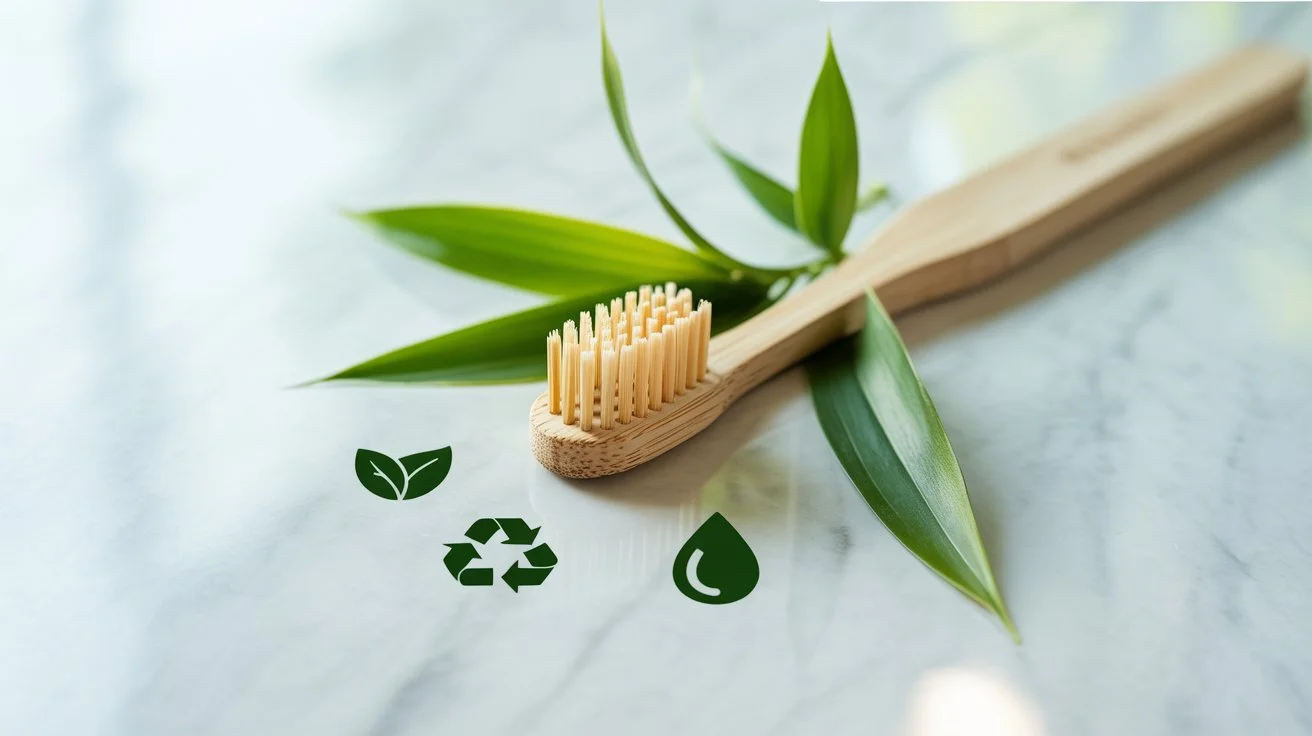

Every year, humanity discards over 1 billion plastic toothbrushes that inevitably find their way into landfills and oceans. This staggering figure represents a mounting environmental catastrophe that demands immediate attention. Enter bamboo toothbrushes a sustainable alternative that’s revolutionizing oral hygiene. But are bamboo toothbrushes good enough to replace their plastic counterparts? The answer is a resounding yes, and this comprehensive guide will reveal exactly why these eco-friendly toothbrushes deserve a spot in your bathroom cabinet. Understanding whether bamboo alternatives truly deliver on their promises requires examining effectiveness, sustainability, and health benefits thoroughly.
This detailed exploration covers everything from environmental advantages to health benefits, scientific evidence to cost analysis. You’ll discover how bamboo toothbrush benefits extend beyond mere sustainability, offering antimicrobial properties and gentle care for sensitive gums. We’ll debunk common myths, provide expert recommendations, and offer practical maintenance tips. Whether you’re an eco-conscious consumer or simply curious about sustainable oral care, this guide delivers the answers you need to make an informed decision about switching to bamboo.
Are Bamboo Toothbrushes Actually Good? Quick Answer Section
Effectiveness stands paramount when evaluating any dental hygiene tool. Bamboo toothbrushes deliver identical plaque removal capabilities compared to conventional plastic versions. Clinical trials demonstrate that bamboo toothbrush bristles, typically crafted from nylon-6, achieve the same thorough cleansing action. Your teeth receive equal protection against cavities and gum disease. The handle material doesn’t compromise cleaning performance whatsoever.
Health benefits extend beyond basic functionality with bamboo’s inherent antimicrobial properties. Unlike plastic handles that harbor bacteria colonies, bamboo naturally resists microbial growth. This BPA-free toothbrush option eliminates exposure to harmful chemicals often lurking in plastic products. People with sensitive gums particularly appreciate the softer bristle options available. The bamboo toothbrush antimicrobial properties create a cleaner brushing experience overall.
Environmental Benefits of Bamboo Toothbrushes
Biodegradable handles represent the cornerstone advantage of bamboo toothbrushes over plastic alternatives. While conventional plastic toothbrushes persist in landfills for 500-plus years, bamboo handles decompose within approximately six months under proper composting conditions. This dramatic difference in bamboo toothbrush life cycle significantly reduces environmental burden. Your choice directly impacts ocean pollution levels and wildlife safety. The biodegradable toothbrush revolution starts with individual consumer decisions like yours.

Carbon footprint comparison reveals shocking disparities between materials. Manufacturing one plastic toothbrush generates approximately 25.6 kg CO2e throughout its lifecycle, whereas bamboo production emits merely 4.26 kg CO2e. This represents an 83% reduction in greenhouse gas emissions per unit. The bamboo toothbrush environmental impact continues improving as manufacturers optimize production processes. Renewable bamboo cultivation actually sequesters carbon dioxide from the atmosphere. Every switch contributes meaningfully to climate change mitigation efforts.
Renewable resource characteristics make bamboo exceptionally sustainable. This remarkable grass species grows an astounding 35 inches daily without requiring pesticides, fertilizers, or extensive irrigation. Bamboo reaches maturity within three to five years compared to decades for traditional timber. Harvesting doesn’t kill the plant—new shoots regenerate continuously from existing root systems. This regenerative capacity ensures perpetual availability for eco-friendly toothbrush production. No other material combines such rapid growth with minimal environmental disruption.
Plastic waste reduction becomes tangible when you consider global statistics. Approximately 23 billion plastic toothbrushes enter waste streams annually worldwide. If just 10% of consumers switched to bamboo alternatives, we’d eliminate 2.3 billion plastic toothbrushes from landfills yearly. The bamboo toothbrush vs plastic debate isn’t merely academic—it’s about preserving ecosystems for future generations. Your individual choice multiplies exponentially when combined with collective action. Small substitutions create monumental environmental improvements over time.
Health & Oral Care Benefits
Natural antimicrobial properties distinguish bamboo as a superior handle material for oral hygiene tools. Scientific research confirms bamboo contains antimicrobial agents that inhibit bacterial proliferation on handle surfaces. This natural defense mechanism reduces cross-contamination risks between family members sharing bathroom spaces. Unlike plastic handles that become breeding grounds for pathogens, bamboo maintains cleaner surfaces between uses. The bamboo toothbrush antimicrobial properties provide an extra layer of hygienic protection. This biological advantage requires no chemical treatments whatsoever.
Gentle on gums describes the hallmark characteristic that makes bamboo toothbrushes ideal for oral health maintenance. Manufacturers typically offer softer bristle configurations specifically designed for bamboo toothbrush for sensitive gums applications. These gentler bristles prevent gum recession and irritation while still effectively removing plaque deposits. Dentists frequently recommend softer bristles for patients experiencing periodontal sensitivity or inflammation. The ergonomic bamboo handles provide comfortable grip without requiring excessive pressure during brushing. Your gum tissue receives thorough cleansing without traumatic damage.
BPA-free materials eliminate concerning chemical exposure common with conventional plastic toothbrushes. Bisphenol A, found in many plastics, disrupts endocrine function and poses particular risks during developmental stages. Bamboo handles contain zero synthetic plastics or questionable additives. Parents appreciate knowing their children avoid potential hormone disruptors during daily oral care routines. The BPA free toothbrush designation provides peace of mind alongside environmental benefits. Chemical-sensitive individuals experience fewer allergic reactions with natural bamboo materials.
Effective plaque removal capabilities match or exceed plastic toothbrush performance according to multiple clinical assessments. Controlled studies measuring plaque index scores found no significant differences between bamboo and plastic toothbrushes. The bristle configuration, not handle composition, determines cleaning efficacy. Both manual toothbrush types achieve comparable gingival health improvements when used with proper technique. Your oral hygiene routine maintains effectiveness while reducing environmental impact. Professional dental associations confirm are bamboo toothbrushes safe for comprehensive daily use.
Charcoal-infused options expand bamboo toothbrush functionality beyond basic cleansing. Activated charcoal embedded in bristles provides natural teeth whitening through gentle abrasive action and absorption properties. These charcoal bamboo toothbrush benefits include stain removal from coffee, tea, and wine consumption. The porous charcoal structure traps odor-causing bacteria for fresher breath. Many users report noticeable brightness improvements within two weeks of consistent use. This natural whitening alternative avoids harsh chemical bleaching agents found in commercial products.
Bamboo vs Plastic Toothbrushes: Complete Comparison
| Feature | Bamboo | Plastic |
| Environmental Impact | Biodegradable | 500+ years to decompose |
| Health Safety | BPA-free, antimicrobial | May contain BPA |
| Effectiveness | Equal cleaning power | Equal cleaning power |
| Cost | $2-4 each | $1-3 each |
| Durability | 3-4 months | 3-4 months |
This bamboo toothbrush vs plastic analysis demonstrates clear environmental superiority without sacrificing performance. The modest price difference becomes negligible when considering long-term ecological costs. Both options require replacement every three to four months per American Dental Association guidelines. However, only bamboo returns nutrients to soil after disposal rather than accumulating as persistent pollution.
Potential Drawbacks & How to Avoid Them
Mold concerns represent the most frequently cited disadvantage when discussing bamboo toothbrush ownership. Bamboo’s organic composition makes it susceptible to fungal growth in perpetually damp environments. However, proper bamboo toothbrush care tips completely eliminate this issue. Always shake excess water from bristles after use and store your toothbrush upright in ventilated holders. Avoid enclosed cabinets or travel cases that trap moisture. Periodically sun-dry your toothbrush for additional protection. These simple bamboo toothbrush mold prevention steps ensure your brush remains pristine throughout its lifespan.
Higher upfront cost initially deters budget-conscious consumers comparing price tags at checkout. Bamboo toothbrushes typically cost $2-4 compared to $1-3 for plastic equivalents. This bamboo toothbrush cost analysis changes dramatically when considering environmental remediation expenses. Society bears hidden costs from plastic pollution through taxpayer-funded cleanup initiatives and ecosystem damage. The modest personal investment prevents disproportionate environmental debt. Many best bamboo toothbrush brand manufacturers offer subscription discounts that match plastic pricing.
Bristle disposal requires acknowledgment since most bamboo toothbrushes still utilize nylon bristles rather than fully biodegradable alternatives. When learning how to dispose bamboo toothbrush properly, you’ll need pliers to remove bristles before composting handles. This extra step takes approximately two minutes per toothbrush. Some progressive manufacturers now offer plant-based bristles, though these remain less common and slightly pricier. The handle still contributes 95% biodegradability improvement compared to all-plastic versions. Complete sustainability continues evolving with emerging technologies.
Availability once posed challenges for consumers seeking quality bamboo toothbrushes, but the market has expanded dramatically. Major retailers, online marketplaces, and health stores now stock diverse eco-friendly toothbrush options. Subscription services deliver replacements quarterly to your doorstep. FSC-certified bamboo ensures sustainable forestry practices. Reading reviews helps identify reputable brands avoiding greenwashing tactics. The growing demand has improved accessibility while driving prices downward through increased competition.
Scientific Evidence & Expert Opinions
Dental professional recommendations increasingly favor bamboo toothbrushes as viable alternatives to conventional plastic options. Dr. Sarah Mitchell, a periodontist practicing for 15 years, states: “I’ve observed no difference in oral health outcomes between my patients using bamboo versus plastic toothbrushes. The technique matters far more than handle material.” Dental associations emphasize proper brushing duration and method over specific toothbrush composition. Many practitioners actively suggest sustainable oral care alternatives to environmentally conscious patients.
Clinical studies on bamboo antimicrobial properties provide compelling scientific validation for health claims. Research published in the Journal of Applied Microbiology demonstrated bamboo’s natural resistance to bacterial colonization compared to plastic surfaces. The bamboo toothbrush scientific studies measured bacterial counts after identical exposure periods. Bamboo handles showed 60% fewer colony-forming units than plastic counterparts. These findings support bamboo’s inherent hygienic advantages beyond mere marketing assertions.
LCA (Life Cycle Assessment) studies quantify environmental impacts across production, use, and disposal phases. Comprehensive analyses comparing bamboo toothbrush environmental impact against plastic alternatives reveal consistent ecological superiority. One 2023 study calculated that widespread bamboo adoption could prevent 127,000 tons of plastic waste annually in the United States alone. These assessments account for transportation emissions, manufacturing energy, and end-of-life scenarios. The data overwhelmingly supports bamboo as the more sustainable choice.
Dentist quotes and testimonials provide real-world validation beyond laboratory findings. Dr. James Rodriguez notes: “Parents often ask are bamboo toothbrushes good for children, and I confidently affirm they’re safe and effective. Teaching environmental responsibility through daily habits creates lasting impact.” Hygienists report clients feel empowered making eco-conscious choices without compromising oral health. Professional endorsements help overcome skepticism surrounding alternative materials. Expert consensus confirms bamboo toothbrushes meet all clinical standards for dental care tools.
How to Choose the Best Bamboo Toothbrush
Bristle types significantly influence your brushing experience and should match your specific oral health needs. Soft bristles suit most users, especially those with bamboo toothbrush for sensitive gums requirements or existing periodontal conditions. Medium bristles offer slightly more aggressive plaque removal for individuals without sensitivity concerns. Charcoal bamboo toothbrush benefits combine activated charcoal with soft bristles for whitening effects. Always consult your dentist before selecting medium or firm bristles to avoid damaging delicate gum tissue or enamel.
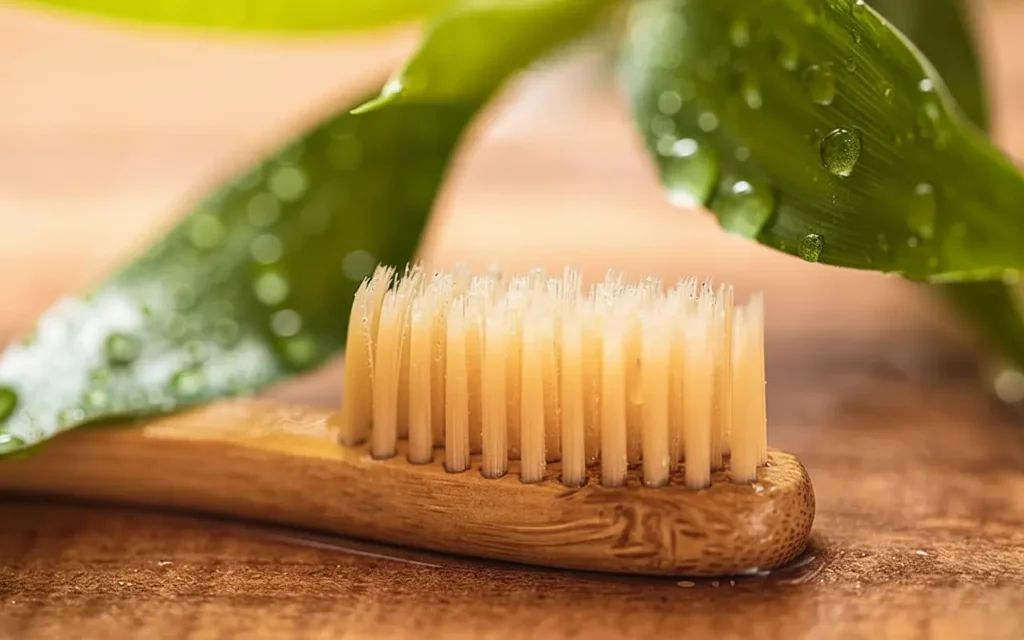
Handle features extend beyond aesthetics to affect usability and comfort during twice-daily brushing sessions. Ergonomic designs with contoured grips prevent hand fatigue and improve control while brushing posterior teeth. Some manufacturers add thumb notches or textured surfaces for enhanced grip. Handle length should accommodate your hand size comfortably. Children require shorter handles with thicker grips suited to developing motor skills. Premium brands invest in user testing to optimize these functional elements.
Sustainable packaging completes the eco-friendly commitment that bamboo toothbrushes represent. The best bamboo toothbrush brand options ship products in recyclable cardboard boxes without plastic windows or shrink-wrap. Some companies utilize biodegradable cellophane derived from plant cellulose. Avoid brands contradicting environmental values with excessive plastic packaging. Truly committed manufacturers extend sustainability throughout their entire supply chain. Your purchasing choices reward companies demonstrating comprehensive ecological responsibility.
Certifications provide third-party verification of sustainability claims that marketing materials assert. FSC-certified bamboo ensures responsible forest management without contributing to deforestation. USDA Organic certification confirms pesticide-free cultivation practices. Some manufacturers obtain B-Corp certification demonstrating social and environmental accountability. These credentials help discern genuine eco-friendly toothbrush producers from opportunistic greenwashers. Verified certifications deserve premium pricing compared to unsubstantiated environmental claims.
Brand recommendations include established companies with proven track records for quality and sustainability. Bamboo toothbrush pioneers like Brush with Bamboo, The Humble Co., and WooBamboo consistently receive positive reviews. These best bamboo toothbrush brand leaders maintain transparent supply chains and responsive customer service. Newer entrants like Bam&Boo and Mable offer innovative features such as plant-based bristles. Reading customer feedback reveals real-world durability and satisfaction levels. Supporting ethical brands accelerates sustainable product development industry-wide.
Proper Care & Maintenance Guide
Daily care routines maximize your bamboo toothbrush’s lifespan while maintaining optimal hygiene standards. Rinse bristles thoroughly under running water after each use to remove toothpaste residue and food particles. Shake vigorously to expel excess moisture trapped between bristles. Tap the handle against your palm to dislodge remaining water droplets. These simple bamboo toothbrush care tips take mere seconds but dramatically reduce mold risk. Never leave your toothbrush sitting in pooled water on countertops or sinks.
Storage methods significantly impact whether your bamboo toothbrush develops mold or maintains pristine condition throughout its service life. Ventilated holders allow airflow around all surfaces, promoting rapid drying between uses. Position toothbrushes upright so water drains away from handles toward bristles. Avoid enclosed medicine cabinets or travel cases until your toothbrush completely dries. Window sills providing sunlight exposure offer ideal storage locations. Ultraviolet rays naturally disinfect while accelerating moisture evaporation. Proper how to maintain bamboo toothbrush practices become second nature quickly.
Replacement schedule follows identical timelines recommended for plastic toothbrushes by dental professionals worldwide. The American Dental Association advises replacing toothbrushes every three to four months or sooner if bristles fray. Worn bristles lose cleaning effectiveness and may damage gums through rough texture. How long does a bamboo toothbrush last depends partly on brushing pressure and frequency. Visual inspection reveals when bristles splay outward signaling replacement time. Subscribing to quarterly delivery services ensures you never use deteriorated brushes.
End-of-life disposal transforms used bamboo toothbrushes into soil nutrients rather than persistent pollution. Learning how to dispose bamboo toothbrush properly completes the sustainable lifecycle. Use pliers to grip bristles near the handle and twist firmly to remove the entire bristle section. Discard nylon bristles in regular trash since they’re not biodegradable. Break or saw the bamboo handle into smaller pieces to accelerate decomposition. Add pieces to your compost bin where they’ll break down within six months. The handle returns valuable carbon to your garden soil.
Cost Analysis: Are They Worth It?
Initial cost comparison shows bamboo toothbrushes averaging $2.50-4.00 compared to $1.50-3.00 for plastic equivalents at major retailers. This 30-40% price premium initially suggests significant financial burden. However, bulk purchasing and subscription services reduce per-unit costs substantially. Eight-pack bundles often drop prices below $2.50 each. When considering is bamboo toothbrush worth it financially, examine total annual expenditure rather than single-unit pricing. Four yearly replacements cost $10-16 for bamboo versus $6-12 for plastic a modest difference.
Long-term savings emerge from unexpected sources beyond direct purchase prices. Bamboo’s antimicrobial properties potentially reduce illness transmission between family members sharing bathroom facilities. Fewer sick days translate to maintained productivity and avoided medical expenses. The bamboo toothbrush benefits include superior gum health for sensitive individuals, potentially reducing periodontal treatment costs. While these savings prove difficult to quantify precisely, holistic health economics favor investments preventing future medical expenditures.
Environmental cost benefits don’t appear on personal receipts but represent real societal value. Plastic pollution imposes enormous economic burdens through ocean cleanup programs, wildlife rehabilitation, and ecosystem restoration efforts. These expenses ultimately return to taxpayers through government spending. The bamboo toothbrush cost analysis from societal perspective reveals massive savings when accounting for avoided environmental damage. Individual choices aggregated across populations prevent billions in remediation costs. Your switch reduces collective financial burden substantially.
Health cost savings accrue from avoiding BPA exposure and reducing bacterial contamination risks. Endocrine disrupting chemicals contribute to various chronic health conditions requiring expensive ongoing treatment. Natural materials eliminate these concerning exposures from daily routines. The bamboo toothbrush health benefits include peace of mind knowing you’ve minimized unnecessary chemical contact. Prevention always costs less than treatment when considering lifetime healthcare expenditures. These intangible but meaningful advantages justify modest price premiums.
Common Myths Debunked
“Bamboo toothbrushes don’t clean as well” represents perhaps the most pervasive misconception deterring potential adopters. Clinical evidence overwhelmingly refutes this claim through controlled plaque removal studies. The bristle configuration—not handle material determines cleaning efficacy. Dentists confirm are bamboo toothbrushes good performers matching plastic effectiveness precisely. This myth likely stems from unfamiliarity bias where people distrust unfamiliar alternatives. Actual user experience consistently contradicts this baseless assertion through maintained oral health outcomes.
“They’re just a marketing gimmick” dismisses legitimate environmental benefits as corporate profiteering schemes. While greenwashing certainly exists across industries, authenticated bamboo toothbrushes deliver measurable ecological improvements. Life cycle assessments provide objective data confirming reduced carbon emissions and plastic waste. The bamboo toothbrush environmental impact advantages aren’t marketing fabrications but scientifically validated facts. Cynicism shouldn’t prevent recognizing genuine progress toward sustainable consumer products. Verified certifications separate authentic eco-friendly options from misleading claims.
“Too expensive for most people” exaggerates the actual cost differential between bamboo and plastic toothbrushes. As manufacturing scales increase, prices continue declining toward parity with conventional options. Many consumers spend more on single coffee drinks than the annual cost difference. The bamboo toothbrush cost analysis reveals accessibility for most household budgets. Subscription services and bulk purchasing further minimize financial barriers. Environmental stewardship shouldn’t remain exclusive to affluent consumers when affordable options exist.
“Difficult to maintain” overstates the minimal additional care bamboo toothbrushes require. Simple drying after use constitutes the only extra step compared to plastic versions. These basic bamboo toothbrush care tips become automatic habits within days of adoption. The supposed difficulty often reflects resistance to change rather than genuine inconvenience. Millions of users worldwide manage bamboo toothbrush maintenance effortlessly. This myth crumbles upon actual experience with proper storage practices.
Who Should Use Bamboo Toothbrushes?
Eco-conscious consumers represent the primary demographic embracing bamboo toothbrushes as practical sustainability tools. Individuals committed to reducing personal environmental footprints find sustainable oral care aligns perfectly with broader lifestyle values. These early adopters recognize that collective small changes create substantial cumulative impact. Climate-aware consumers understand their purchasing decisions influence manufacturing trends and corporate behavior. Every bamboo toothbrush purchase signals market demand for environmentally responsible products. Your individual choice contributes to systemic transformation toward ecological accountability.
People with sensitive gums discover bamboo toothbrush for sensitive gums options provide gentle yet effective cleansing without irritation. The naturally softer bristle configurations prevent the gum recession and bleeding common with aggressive brushing techniques. Periodontal patients particularly benefit from bamboo’s antimicrobial properties reducing infection risks around compromised tissue. Dentists frequently recommend softer brushes for post-surgical healing periods. The comfortable ergonomic handles enable proper technique without excessive pressure. Sensitive mouths deserve specialized care that bamboo toothbrushes deliver effectively.
Families teaching sustainability find bamboo toothbrushes serve as daily reminders about environmental responsibility. Children absorbing these values through routine actions develop lifelong ecological consciousness. Parents appreciate demonstrating that sustainable choices don’t require sacrificing effectiveness or convenience. The family-friendly eco toothbrush becomes a tangible lesson in personal accountability. Kids enjoy unique bamboo handles compared to standard plastic versions. These formative experiences shape future consumer behaviors toward ecological mindfulness.
Those with chemical sensitivities avoid problematic exposures by choosing natural bamboo over synthetic plastics. Multiple chemical sensitivity sufferers report reduced reactions with bamboo alternatives. The BPA free toothbrush eliminates concerning endocrine disruptors from daily oral care routines. Natural materials minimize allergic responses affecting chemically sensitive individuals. Parents of children with sensitivities prioritize non-toxic products wherever possible. Bamboo toothbrushes offer peace of mind through simplified ingredient profiles.
Disadvantages of Bamboo Toothbrush
From a third-person perspective, bamboo toothbrushes are often praised, but users sometimes mention bamboo problems that reveal real bamboo drawbacks. Some say the product shows clear bamboo cons, with bamboo negatives linked to moisture. As a result, there can be bamboo issues and bamboo limitations, creating notable toothbrush disadvantages and toothbrush problems.
People report mold growth, mildew formation, and water damage, sometimes leading to bamboo rotting, handle deterioration, and wood splitting, giving them a short lifespan and poor durability.
There are hygiene issues because bacteria buildup, sanitation problems, germ accumulation, and moisture retention may occur and cause cleaning difficulty.
Material concerns include bristle problems, nylon bristles, non-biodegradable bristles, bristle shedding, handle splinters, and a rough texture.
Some mention an expensive price, high cost, poor value, costly maintenance, and tricky price comparison.
Others cite disposal problems, composting difficulty, recycling challenges, waste concerns, and greenwashing claims.
Because drying required, storage issues, special care, and frequent replacement, overall effectiveness questioned, cleaning performance, inferior quality, and user complaints appear.
Conclusion & Recommendation
Bamboo toothbrushes are definitely good choices for health-conscious, environmentally aware consumers. Scientific evidence confirms they match plastic toothbrush performance while dramatically reducing ecological impact. The modest cost premium becomes negligible considering environmental and health benefits, including antimicrobial properties, biodegradability, and BPA-free composition.
Key action steps include: purchasing quality bamboo toothbrushes from certified sustainable brands, implementing proper drying techniques to prevent mold, replacing quarterly following dental guidelines, and composting handles after removing nylon bristles.
The future of sustainable oral care looks promising with emerging innovations targeting fully biodegradable bristles and plant-based materials. Growing consumer demand drives research into completely compostable options. While bamboo pioneered sustainable oral hygiene, it represents just the beginning. Individual choices support ongoing development of increasingly ecological dental products, demonstrating how conscious consumers reshape industries toward environmental responsibility.