

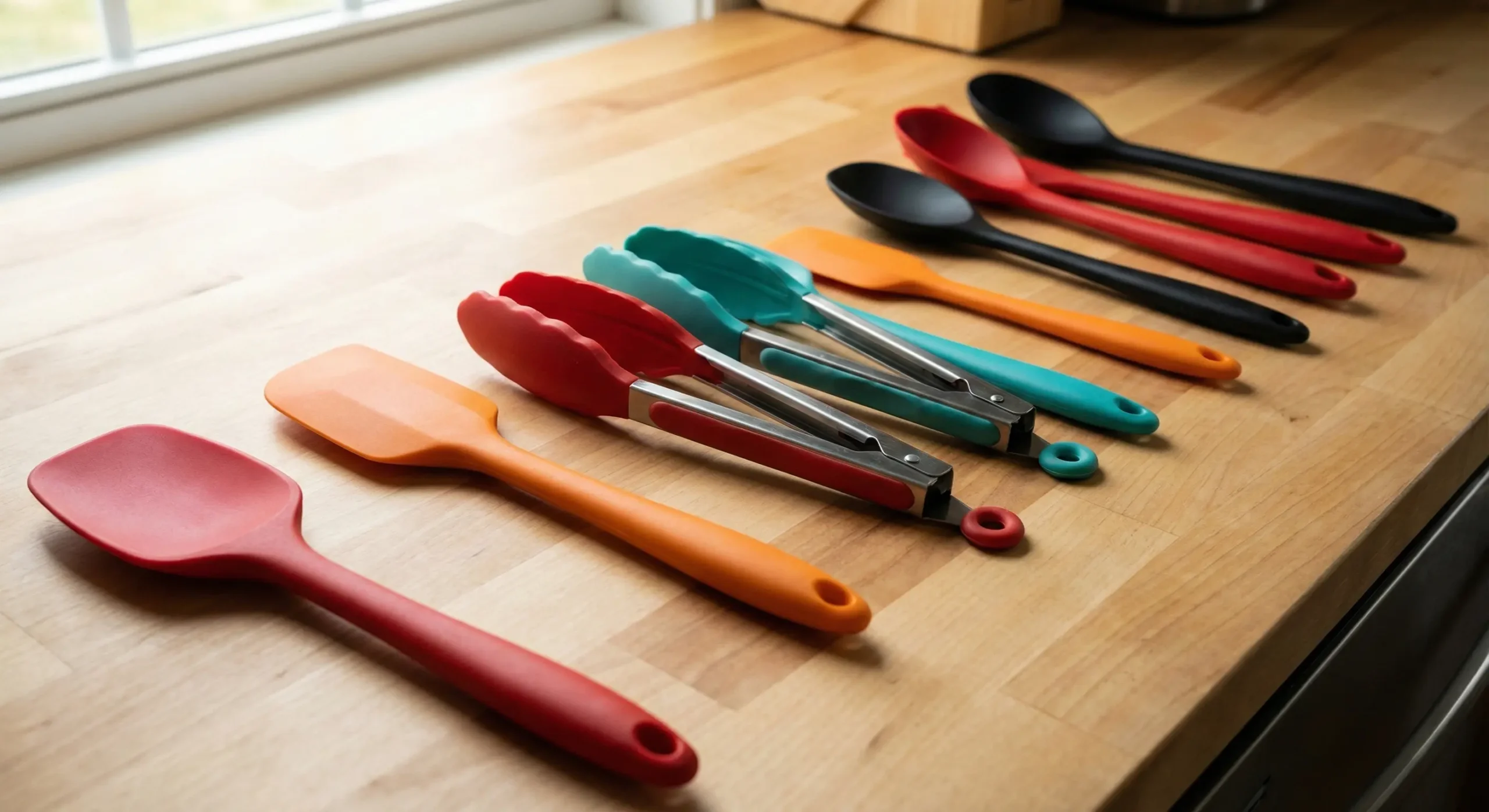

Silicone utensils have rapidly gained popularity in kitchens worldwide. From silicone spatulas to silicone baking mats and silicone tongs, these kitchen tools are appreciated for their heat resistance, durability, and non-stick properties. Their rise in popularity is not only due to their versatility but also to their ability to outperform traditional materials like plastic and metal in various cooking tasks. Whether you’re flipping pancakes or baking your favorite cookies, silicone tools are the go-to choice for many home cooks and professional chefs.
But the big question remains: Are silicone utensils safe for everyday cooking and baking? This article will explore the benefits and potential risks of using silicone kitchen tools, how to choose the safest products, and tips for proper care. With the right selection and correct use, silicone can be a secure, convenient kitchen ally.
What Are Silicone Utensils and Why Are They So Popular?
Silicone is a synthetic material made from a combination of silicon, oxygen, and other elements like carbon and hydrogen. It’s flexible, durable, and can withstand extreme temperatures without breaking down. Because of these properties, it is often used to produce non-toxic kitchen utensils, baking mats, and other food-safe silicone products. This flexibility and heat resistance make silicone utensils perfect for a variety of kitchen tasks such as mixing, stirring, scraping, and baking.

The main appeal of silicone kitchen tools lies in their superior performance compared to traditional materials. Unlike plastic utensils, which can warp or melt at high temperatures, silicone spatulas and cookware maintain their shape and function even when exposed to high heat. They are also gentle on non-stick surfaces, helping prevent scratches and extend the life of your cookware. Food-safe silicone products, particularly those labeled as BPA-free, are generally free of harmful chemicals, making them a popular choice for health-conscious consumers.
The Benefits of Using Silicone Utensils in Your Kitchen
Heat Resistance and Versatility
One of the most significant benefits of silicone utensils is their heat resistance. Silicone material can withstand temperatures up to 450°F, making it ideal for use in the oven, on the stovetop, or even in the microwave. This heat tolerance in silicone means you can use silicone spatulas for tasks like stirring hot liquids, scraping the last bits of batter, or handling hot pans without worrying about the utensil melting.
Moreover, silicone kitchen tools are incredibly versatile. From silicone baking mats to silicone tongs and non-stick cookware, silicone utensils, the range of tasks these tools can perform is vast. Whether you’re baking, sautéing, or even freezing, silicone offers a practical solution that can handle all these different applications without losing its integrity.
Durability and Non-stick Properties
Silicone utensils are incredibly durable. Unlike plastic utensils, which can crack, melt, or become brittle over time, silicone is long-lasting and heat-resistant. Silicone cooking utensils won’t chip, crack, or fade, making them a solid investment for your kitchen. These utensils can last for years with proper care, unlike other tools that may need frequent replacement.
Another benefit of silicone utensils is their non-stick nature. When baking or cooking, silicone makes it easy to remove food from pans and bowls without the risk of sticking. For instance, silicone baking mats let you bake without butter or parchment paper, offering a healthier alternative. Whether you’re making cookies or muffins, silicone cookware guarantees easy release and minimal mess.
Are Silicone Utensils Safe? What Experts Say
Food-grade Silicone and Safety Standards
The key factor in determining the safety of silicone kitchen tools is the quality of the material. Food-grade silicone is FDA-approved and BPA-free, meeting the standards for safe food contact. Food-safe silicone undergoes stringent testing to ensure it does not leach harmful chemicals during food preparation. As long as silicone utensils are made from high-quality materials and used according to the manufacturer’s guidelines, they are considered safe for cooking and baking.
Experts agree that high-quality silicone does not release harmful toxins or chemicals under normal cooking conditions. It is a non-toxic material, and its heat resistance makes it a safer option than plastic utensils, which can melt and release toxins into silicone when exposed to high temperatures. This makes silicone utensils a popular choice for those seeking non-toxic cooking tools.
Risks of Low-Quality Silicone
While silicone utensils are generally safe, it’s essential to choose high-quality silicone products. Low-quality silicone cookware may contain fillers, additives, or dyes that can leach into food when heated. These silicone utensils might also degrade over time and release silicone leaching chemicals, which can affect food quality. Always check for proper food-safe certification and choose brands that ensure their products are made from food-grade silicone.
Silicone vs. Plastic: Which Is Safer for Your Kitchen?
When comparing silicone vs. plastic utensils, silicone is the safer option. Plastic utensils are often made from materials that can release BPA and other harmful chemicals when heated. These chemicals can leach into food, potentially causing health issues. In contrast, silicone kitchen tools are made from a non-toxic material that does not leach BPA or other harmful substances when heated. For those concerned about chemicals in their cookware, BPA-free silicone utensils are a much safer alternative.
Moreover, silicone kitchen tools are more durable than plastic. Plastic can become brittle, crack, or melt, whereas silicone utensils are resistant to these issues, even under high temperatures. Unlike plastic utensils, silicone does not absorb odors, colors, or flavors, which makes it easier to clean and maintain.
How to Choose Safe Silicone Utensils — What to Look For
Certifications & Quality Indicators
When selecting silicone utensils, always look for labels like “100% food-grade silicone,” “FDA-approved,” or “platinum-cured.” These certifications ensure that the silicone material is non-toxic and safe for food contact. High-quality silicone is more likely to be stable and durable, offering reliable performance. Avoid products that are incredibly cheap, brightly colored, or overly flexible, as they may contain harmful fillers or dyes that can compromise safety. Choosing well-regulated products from reputable sources will ensure silicone utensils are safe to use. Sources like Better Homes & Gardens and Dr. Meri’s recommend opting for certified brands to ensure quality.
Inspect the Product — Texture, Smell, and Flexibility
Before using silicone kitchen tools, scrutinize them. New silicone molds or mats may benefit from a pre-bake or rinse to eliminate residual manufacturing chemicals. Avoid utensils with uneven coloring, a strong chemical smell, or that feel unusually soft and pliable, as these may be signs of low-quality silicone. High-quality silicone utensils should have a firm texture without any unpleasant odors, ensuring they’re safe for cooking.
Match Utensil Choice to Cooking Style
Use silicone tools for tasks they’re best suited for, such as stirring, folding, baking, or freezing at moderate heat. For high-heat cooking, such as searing or broiling, use metal utensils to avoid pushing silicone beyond its thermal limits.
Best Practices for Using Silicone Utensils Safely
Avoid Overheating Silicone
Though silicone utensils are designed to handle high temperatures, it’s important not to push them beyond their limits. Always follow the manufacturer’s guidelines regarding temperature limits. Avoid using silicone for high-heat applications like direct flames or broiling, as these extreme conditions could degrade the material. Instead, use silicone utensils for low- to medium-heat cooking and baking, where they excel.
Proper Cleaning and Maintenance
To maintain the safety and longevity of silicone kitchen tools, clean them regularly with mild detergent and warm water. Many silicone utensils are dishwasher-safe, but it’s still essential to follow manufacturer instructions to avoid any damage. Always inspect your silicone utensils for wear and tear, such as cracks or discoloration, and replace them if necessary to maintain their silicone durability.
Conclusion: Are Silicone Utensils Safe?
In conclusion, silicone utensils are generally considered safe for cooking and baking, provided you choose high-quality, food-safe products. They offer numerous benefits, such as heat resistance, durability, and non-stick properties, making them an excellent choice for everyday kitchen tasks. However, it’s crucial to select silicone utensils made from BPA-free silicone and to follow the manufacturer’s care instructions to ensure long-term safety. With proper use and care, silicone kitchen tools can be a safe, convenient, and sustainable addition to your kitchen.