

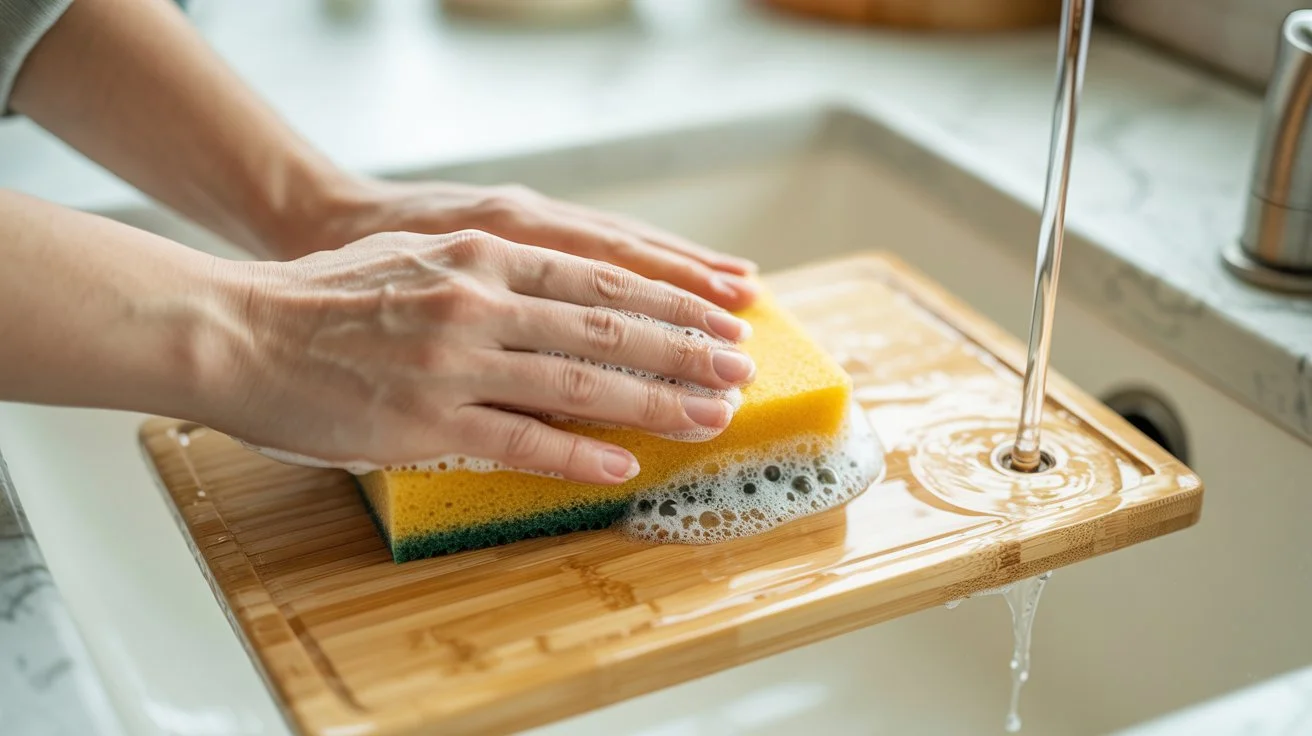

Cleaning a bamboo cutting board is simple. The best method involves a quick wash with mild soap and warm water right after use, followed by immediate and thorough drying. This straightforward bamboo cutting board care routine prevents bacteria growth, stops stains from setting, and preserves the board’s natural beauty.
Your bamboo cutting board is a fantastic eco-friendly kitchen tool. It’s made from a fast-growing grass, making it a sustainable choice. These boards are also durable, lightweight, and have natural antibacterial properties. Proper cleaning is key to maintaining its hygiene and ensuring it lasts for years in your kitchen. This guide will cover everything you need.
What Is a Bamboo Cutting Board?
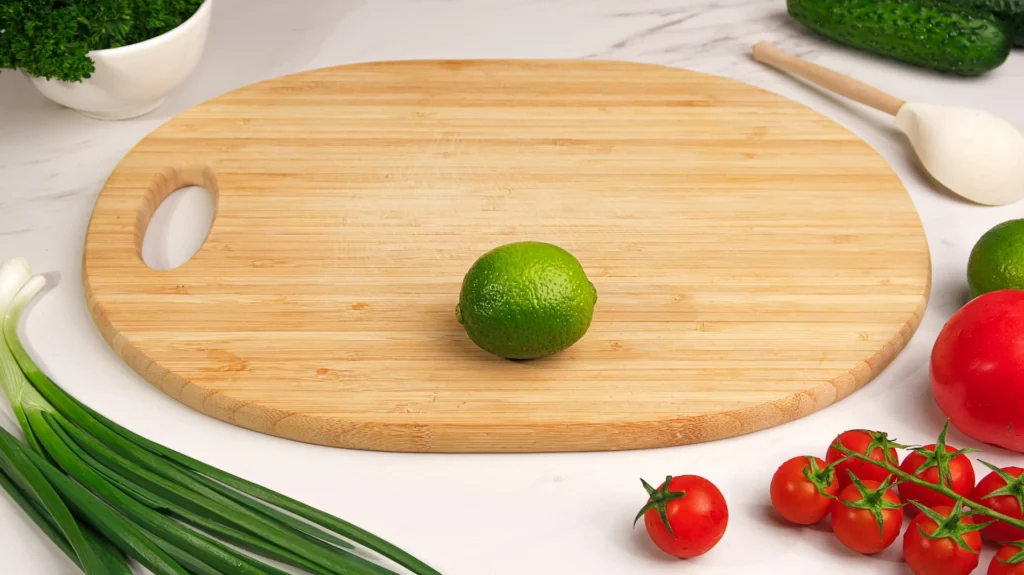
A bamboo cutting board is crafted from compressed strips of bamboo grass. Unlike traditional wood, bamboo is a rapidly renewable resource. Its dense fibers create a hard, less porous surface that is gentle on knives yet resistant to deep scratches where bacteria can hide, making it a hygienic choice.
The key benefits include sustainability and remarkable durability. Bamboo is harder than many hardwoods, offering a sturdy chopping surface. It’s also lightweight and naturally resists water absorption. When comparing a bamboo vs wood cutting board, bamboo often wins for its eco-friendliness and lower maintenance needs.
How to Clean a Bamboo Cutting Board (Step-by-Step Guide)
The secret to bamboo cutting board hygiene is a consistent cleaning routine. Start by rinsing the board under warm water immediately after you finish using it. This simple first step prevents food particles and juices from drying onto the surface, which makes the next step much easier.
Next, apply a small amount of mild dish soap and gently scrub with a soft sponge or cloth. Avoid using abrasive scrubbers or steel wool as they can scratch and damage the bamboo surface. This food-safe cleaning method is effective for daily use without harming the board’s integrity.
After scrubbing away any food residue, rinse the board thoroughly under warm running water to remove all soap. The most critical step is next: immediately pat the board dry with a clean towel. Don’t skip this part, as it’s a key proper drying technique for bamboo.
Finally, allow the board to air-dry completely by standing it upright or placing it in a dish rack. This ensures all sides are exposed to air and prevents moisture from getting trapped underneath. A common question is, “Can I put my bamboo cutting board in the dishwasher?” The answer is a firm no. The high heat and prolonged water exposure will cause it to warp and crack.
To summarize the bamboo board cleaning tips, always wash by hand with gentle soap. Dry it immediately with a towel and then let it air-dry upright. Never soak the board in water or run it through a dishwasher, as this is the quickest way to ruin it.
4 Ways to Remove Stains From a Cutting Board
To naturally remove stains from a bamboo cutting board, a lemon and salt scrub works wonders. Sprinkle coarse salt over the stained area and use half a lemon to scrub it in a circular motion. This combination acts as a natural abrasive and deodorizer, lifting stains effectively.
For tougher stains or to remove odor from a bamboo board, create a paste using baking soda and a little water. Apply the paste to the stain, let it sit for a few minutes, and then gently scrub it off. This is one of the best DIY bamboo cleaning methods for stubborn spots.
A vinegar solution is perfect to disinfect a bamboo cutting board. Mix one part white vinegar with four parts water. Use a cloth to wipe down the board with this solution to kill bacteria and germs. This method is a safe way to sanitize the board without harsh chemicals.
For serious food stains, especially from raw meat, you can use 3% hydrogen peroxide. Lightly pour it over the board, let it bubble for a few minutes, then wipe it off and rinse thoroughly. Use this method sparingly to keep the antibacterial surface sanitized and safe for food.
Pro Tip: Always avoid using harsh chemicals or bleach on your bamboo cutting board. These products are too aggressive and will dry out the bamboo fibers, leading to splits and cracks over time. Stick to natural cleaning ingredients.
3 Tips for Maintaining a Cutting Board
Regular oiling is crucial to extend the bamboo cutting board lifespan. Apply a food-grade mineral oil or a special bamboo conditioning oil every two to four weeks. Use a clean cloth to rub the oil into the surface, let it soak in for a few hours, then wipe off any excess.
Proper storage is another key part of bamboo cutting board maintenance. After cleaning and drying, store your board upright in a dry location away from direct sunlight or heat sources like the stove. This helps prevent the bamboo board from cracking by allowing for even air circulation.
The most important rule is to never soak your bamboo cutting board. Submerging it in water allows the bamboo to absorb too much moisture, which will cause it to swell, warp, and crack. This also means never, ever putting it in the dishwasher for cleaning.
Common Mistakes to Avoid When Cleaning Bamboo Cutting Boards
One of the biggest mistakes is using the wrong type of oil. Never use cooking oils like vegetable or olive oil to condition a bamboo surface. These oils can become rancid over time, creating a foul smell and a sticky residue that can transfer to your food.
Another common error is not drying the board properly. Leaving it to sit in a puddle of water or laying it flat on the counter while wet traps moisture underneath. This is a primary cause of warping, splitting, and even mold growth. Always towel dry and then air dry.
Finally, avoid overusing strong detergents or cleaning agents like bleach. While you want to sanitize the board, harsh chemicals will strip the bamboo of its natural oils. This makes it dry, brittle, and more susceptible to cracking. Gentle, natural cleaning ingredients are always the better choice.
Final Thoughts on Bamboo Cutting Board Care
Your bamboo cutting board is a durable and beautiful kitchen tool that can last for many years with just a little attention. Following these simple bamboo cutting board care tips cleaning gently, drying thoroughly, and oiling regularly is all it takes to keep it in excellent condition.
By caring for your board, you’re also embracing sustainable kitchenware care habits. A well-maintained board is a happy board. Keep your bamboo cutting board clean, and it’ll serve you well through countless delicious meals for years to come!