

Choosing the right kitchen tools can make all the difference in your cooking experience. When it comes to durability, food safety, and overall performance, the choice between silicone vs wood cooking utensils is not always straightforward. In this guide, we break down the benefits and drawbacks of each material, helping you select the perfect utensils for your eco-conscious kitchen. Whether you are stirring soups, folding batters, or baking delicate cakes, understanding the right tools ensures better results and a more enjoyable cooking process.
Overview of Wooden Cooking Utensils
What Are Wooden Utensils?
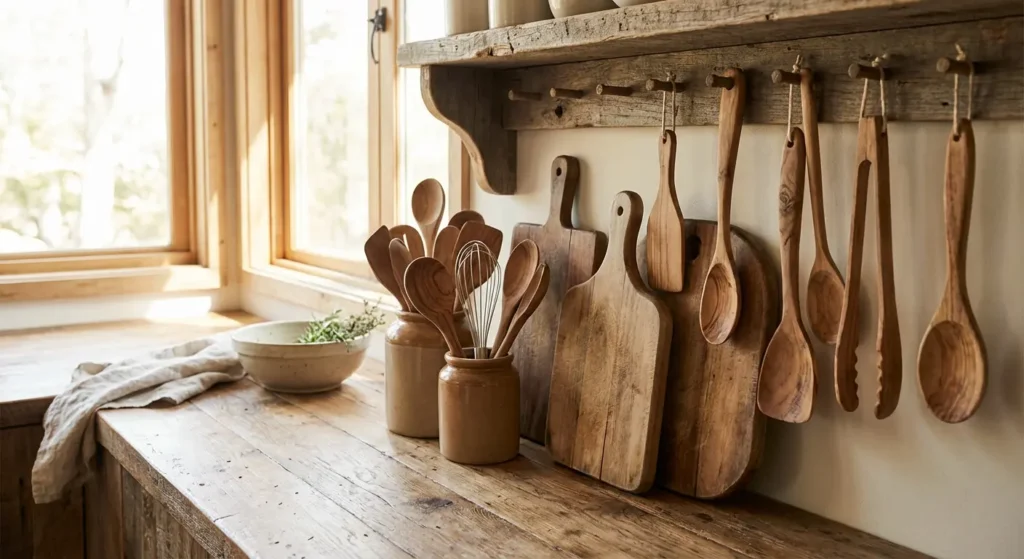
Wooden utensils are crafted from a natural material and come in various types, including wooden spoons, wooden spatulas, wooden whisks, wooden tongs, wooden rolling pins, wooden cutting boards, wooden serving spoons, wooden salad servers, wooden measuring spoons, wooden mixing bowls, and wooden pestles and mortars. From disposable wooden cutlery for casual meals to hardwood utensils (oak, walnut, maple) for professional use, these tools offer a classic, rustic kitchen accessory feel. Softwood utensils (pine) are also available but are less durable over time.
Benefits of Wooden Utensils
One of the key advantages of wooden utensils is their heat resistance, making them excellent for high heat cooking without damaging non-stick cookware. They are eco-friendly kitchen tools crafted from a renewable resource, promoting sustainable forestry practices. Wooden tools provide a warm, natural look with unique grain patterns, adding elegance to your kitchen. With a comfortable grip, these traditional kitchen tools are ideal for stirring soups, mixing sauces, or folding batters.
Drawbacks of Wooden Utensils
Despite their charm, wooden utensils have some limitations. They can absorb flavors and odors, particularly from acidic dishes or strong flavors like garlic or onion. Over time, they may crack or warp if exposed to excessive heat or moisture. Maintenance is key, as hand-wash utensils are recommended along with occasional oiling to preserve their durability. Unlike dishwasher safe utensils, wood requires cleaning and maintenance to remain safe and long-lasting.
Overview of Silicone Cooking Utensils
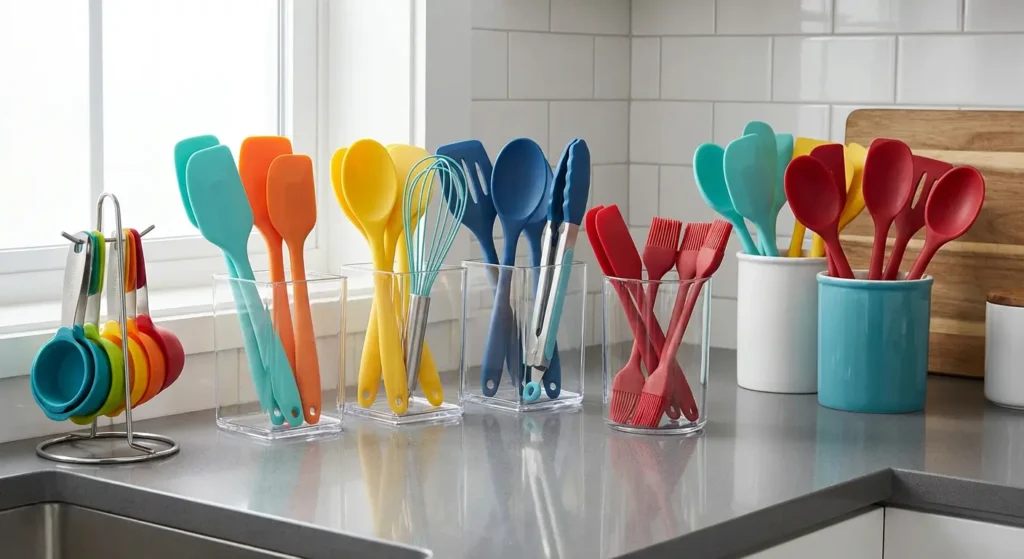
What Are Silicone Utensils?
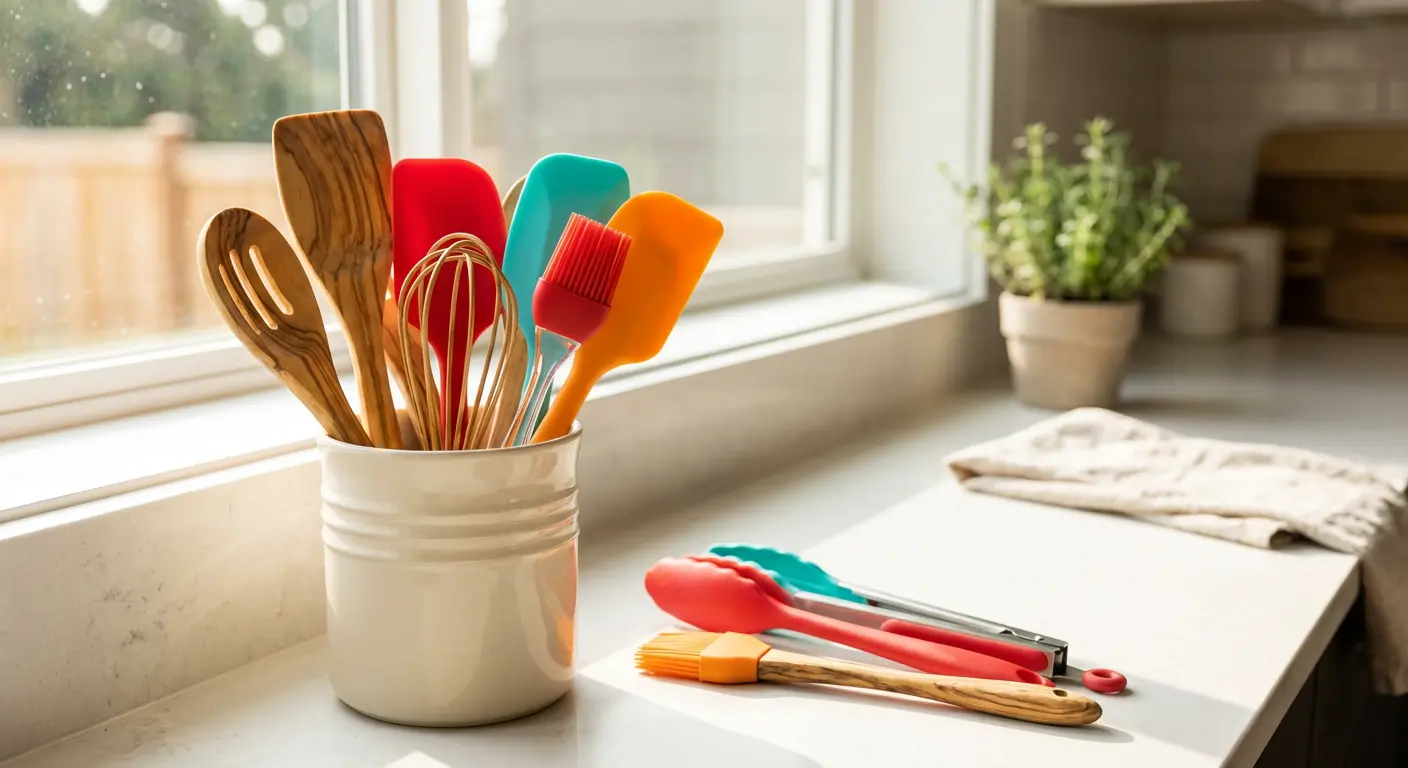
Silicone utensils are made from a synthetic polymer designed to be flexible kitchen utensils that withstand high heat. Common types include silicone spatulas, silicone spoons, silicone whisks, silicone tongs, silicone pastry tools, silicone bottle scrapers, silicone measuring cups, and silicone oven mitts. These tools are known for their durable kitchen tools qualities and modern kitchen gadgets aesthetics.
Benefits of Silicone Utensils
Silicone utensils excel in high heat cooking, withstanding temperatures up to 450°F (230°C). Their non-stick properties make cleaning and maintenance simple, and they are dishwasher convenient, saving time in busy kitchens. Flexible and durable and tear-resistant, silicone tools can scrape jars, whisk eggs, or pipe frosting with ease. Being stain-resistant utensils and odor-resistant utensils, they maintain their vibrant appearance and hygiene even after repeated use. For those who love modern aesthetics, vibrant colors and sleek designs make silicone tools a stylish addition to any kitchen.
Drawbacks of Silicone Utensils
While versatile, silicone is not without drawbacks. It can melt in direct flame or extremely high temperatures, so care must be taken around open flames. The flexibility of silicone can make precise tasks, like carving meat, more challenging compared to traditional kitchen tools. Additionally, silicone utensils are somewhat limited in color options compared to wood, though premium options often provide a variety of modern kitchen gadgets designs.
Silicone vs Wood Cooking Utensils: Key Differences
Material & Sustainability
Silicone is a synthetic polymer, sometimes made with recycled options, but it is not biodegradable. Wood, on the other hand, is a natural material sourced from sustainable forestry and renewable resources, making it ideal for an eco-conscious kitchen. Choosing FSC-certified wood helps ensure you support environmentally responsible practices.
Heat Resistance & Durability
Silicone utensils handle high heat cooking well and are durable and tear-resistant, while wooden utensils tolerate medium heat but may crack or warp over time. Hardwood utensils last longer than softwood options and are better suited for daily cooking temperatures.
Cleaning & Maintenance
Silicone is a non-porous kitchen tool that offers dishwasher convenience and easy cleaning, perfect for those who want low-maintenance tools. Wood, however, requires hand-washing recommended, occasional oiling, and careful cleaning and maintenance to prevent damage.
Food Compatibility & Aesthetics
Silicone utensils are inert, making them perfect for acidic dishes or foods with strong flavors, while their vibrant colors suit modern kitchens. Wooden utensils provide a warm, natural look, gentle on cookware, and fit perfectly with rustic kitchen accessories or traditional kitchen tools.
Which One Should You Choose?
When to Choose Silicone Utensils
- Frequent high heat cooking or baking delicate cakes.
- Tasks requiring flexibility like scraping jars or piping frosting.
- Desire for dishwasher safe utensils and low-maintenance modern kitchen gadgets.
When to Choose Wooden Utensils
- Preference for eco-friendly kitchen tools and a sustainable utensil collection.
- Want utensils gentle on cookware to avoid scratching surfaces.
- Appreciate traditional kitchen tools and rustic kitchen accessories for warm, natural look.
Expert Tips for Choosing the Right Utensils
- Mix and match based on tasks: Use silicone spatulas for baking and wooden spoons for stirring soups.
- Prioritize quality materials over price for durable kitchen tools.
- Always look for FSC-certified wood or food-grade silicone to ensure food safety.
- Replace damaged utensils promptly to maintain kitchen utensil performance and avoid contamination.
Why Trust Best Eco Kitchen Tools
At Best Eco Kitchen Tools, we provide expert research and hands-on testing of all kitchen tools. Our silicone vs wood cooking utensils reviews are transparent, and we highlight the pros and cons of every utensil, so you can make informed choices. We focus on eco-friendly, sustainable, and safe kitchen tools, trusted by thousands of home cooks and professional chefs alike. Our easy-to-read buying guides help you confidently select the best kitchen utensil types, whether you prioritize durable and tear-resistant silicone utensils or beautiful wooden cutlery with a warm, natural look.
Check Related Posts: Which Are the Best Metal Utensils for Cooking | What Is the Best Cooking Utensil Material | Nylon vs Silicone Cooking Utensils | What Is the Best Wood for Cutting Boards | Best Rated Titanium Cutting Boards | Cherry Chopping Board | Maple Wood for Cutting Board | The 6 Best Compact Toasters | The 6 Best Kitchen Utensil Sets
Frequently Ask Questions
Is it better to cook with silicone or wood utensils?
It depends on your needs—silicone utensils excel at high-heat, non-stick cooking, while wooden utensils are eco-friendly and gentle on cookware.
Why do chefs not use wooden spoons?
Many professional chefs avoid wooden spoons because they absorb odors, crack over time, and require more maintenance.
Is it healthy to cook with silicone utensils?
Yes, food-grade silicone utensils are non-toxic, heat-resistant, and safe for cooking.
Is silicone 100% food safe?
High-quality, BPA-free silicone is 100% food safe and ideal for all cooking tasks.