

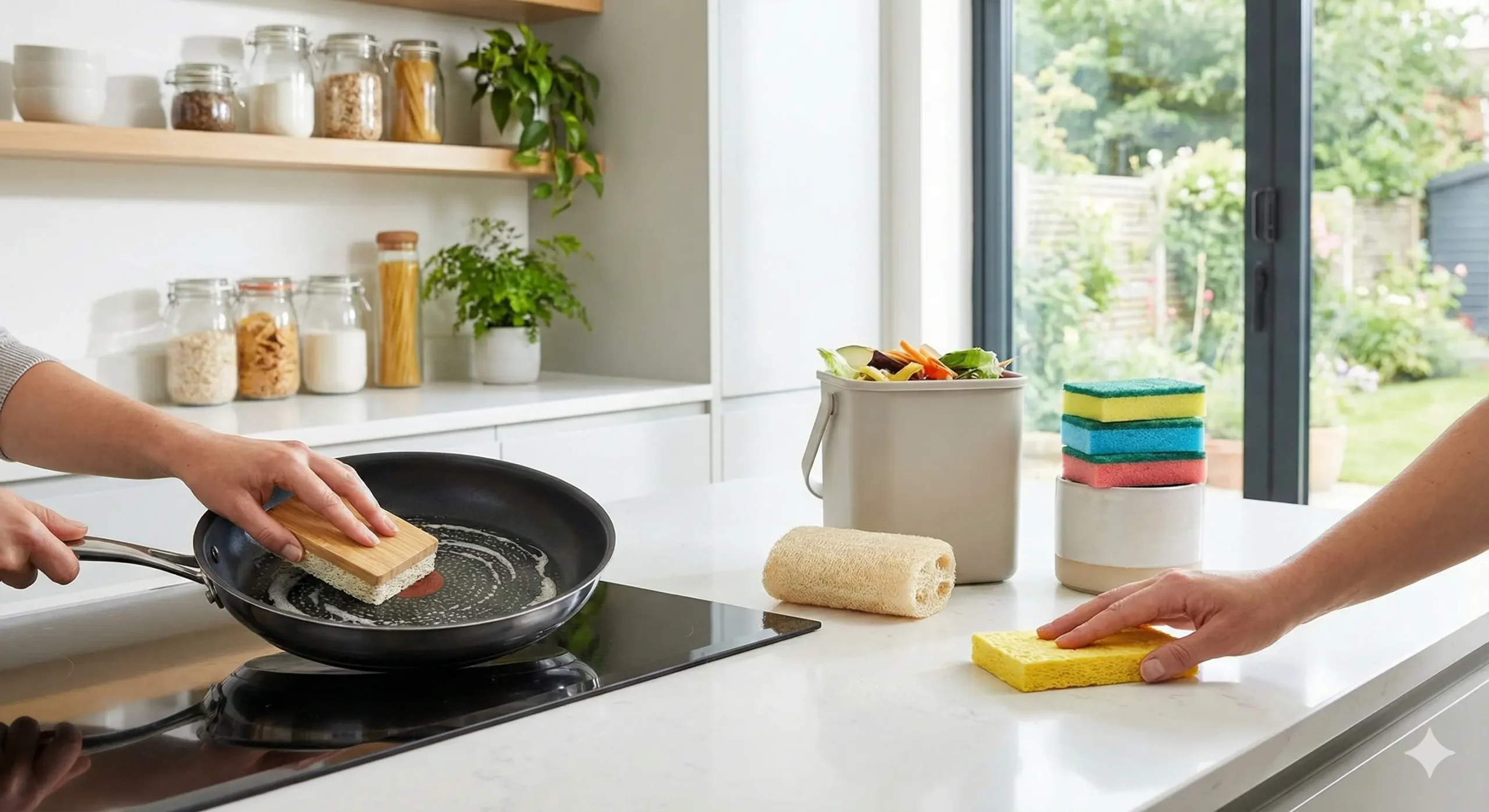

Kitchen sponges are essential cleaning tools found in almost every home. They assist in numerous kitchen cleaning tasks, from scrubbing surfaces to grease removal. These sponges come in a variety of types, each suited to different needs. Choosing the right one can help maintain cleanliness, improve kitchen hygiene, and make your cleaning efforts more effective.
This guide will dive into the different types of kitchen sponges, how to use them, and how to take care of them. We’ll also cover some eco-friendly options and provide tips on maintaining your sponges for kitchen surfaces. Whether you’re cleaning dishes or tackling tough stains, this guide has all the information you need.
What Are Kitchen Sponges and Why Do You Need Them?
A kitchen clean sponge is more than just an absorbent piece of material. It’s designed to tackle all sorts of kitchen cleaning tasks, such as washing dishes, wiping down counters, and removing tough grease. Absorbent cleaning tools like sponges are effective because they can hold liquids and particles, making them excellent for scrubbing surfaces.
Kitchen sponges come in various shapes and sizes. Some are soft for delicate tasks, while others are designed for heavy-duty scrubbing tough grime. Their versatility makes them indispensable in any kitchen.
Types of Kitchen Sponges: Find the Right One for Every Job
Choosing the right kitchen sponge for the task at hand can make a huge difference in your cleaning efforts. There are several types of sponges for kitchen surfaces, each with its own unique qualities. Here are the most common ones:
Cellulose Sponges: Eco-friendly and Absorbent
Cellulose sponges are made from natural fibers, often derived from wood pulp or cotton. They are highly absorbent and are perfect for general cleaning tasks, like wiping counters or washing dishes. Cellulose sponges are biodegradable, making them an excellent choice for eco-conscious users. However, they need regular care to prevent bacteria buildup.
Pros:
- Highly absorbent: Ideal for soaking up liquids quickly.
- Eco-friendly: Biodegradable, breaks down naturally.
- Gentle on surfaces: Won’t scratch delicate items.
Cons:
- Prone to wear: Can degrade quickly with heavy use.
- Bacteria growth: Needs regular cleaning and drying to avoid germs.
Synthetic Foam Sponges: Durability Meets Versatility
Synthetic foam sponges are made from materials like polyurethane. They are designed for longer-lasting use compared to natural sponges and are great for scrubbing tough grime. These sponges are less prone to bacteria buildup and can handle tough stains without falling apart quickly.
Pros:
- Durable: Long-lasting and resistant to wear.
- Mold-resistant: Less likely to harbor bacteria.
- Versatile: Suitable for both light cleaning and tougher tasks.
Cons:
- Not biodegradable: Made from synthetic materials, they are not eco-friendly.
- Can scratch: Use carefully on delicate surfaces to avoid damage.
Scrub Sponges: For Heavy-Duty Cleaning
When it comes to sponges for heavy-duty cleaning, scrub sponges are the go-to choice. These sponges usually have a soft side for general cleaning and a scrub power side for tough stains and grease removal. The abrasive side is great for scrubbing pots and pans but can scratch delicate surfaces if used improperly.
Pros:
- Effective scrubbing: Great for tough stains and grease.
- Dual-purpose: Soft side for general cleaning, abrasive side for tougher jobs.
- Durable: Designed to last through multiple tough cleaning tasks.
Cons:
- Can scratch delicate surfaces: Avoid using on non-stick pans or glass.
- Can wear out: Abrasive side may degrade with frequent use.
Natural Sponges: Soft, Gentle, and Eco-Conscious
Natural sponges are made from the fibrous skeletons of sea creatures. These sponges are soft, gentle on surfaces, and naturally resistant to bacteria. Natural sponges are biodegradable, which makes them a perfect choice for eco-conscious individuals. However, they require more care and may need frequent replacement.
Pros:
- Gentle on delicate items: Ideal for cleaning glassware and fine china.
- Naturally antibacterial: Helps prevent bacteria growth.
- Eco-friendly: Completely biodegradable and sustainable.
Cons:
- Not as durable: May wear out faster than synthetic sponges.
- Expensive: Can be pricier than synthetic options.
How to Use Kitchen Sponges Effectively
To get the best results from your kitchen sponges, it’s essential to know how to use them for different tasks. Here’s a breakdown of effective sponging techniques for various cleaning jobs.
General Cleaning with Kitchen Sponges
For countertop cleaning and washing dishes, cellulose sponges or synthetic foam sponges work wonders. Simply dampen the sponge with water, add a small amount of dish soap, and gently scrub the surfaces. These sponges are perfect for picking up grease, food particles, and liquid spills. Always dry the sponge thoroughly after use to prevent bacteria growth.
Tackling Tough Stains and Grease Removal
When dealing with tough stains, a scrub sponge with an abrasive side is your best friend. Use it for scrubbing pots, pans, and greasy surfaces. Wet the sponge, add some dish soap, and scrub in circular motions. Be careful not to use the abrasive side on delicate surfaces like non-stick cookware, as it may cause scratches.
Cleaning Delicate Surfaces
For delicate surfaces like glassware or non-stick cookware, it’s best to use a non-abrasive sponge such as a natural sponge or cellulose sponge. These sponges are soft enough to avoid scratching while still offering cleaning power.
Maintaining Your Kitchen Sponges for Longevity and Hygiene
Proper care is essential for ensuring your kitchen sponges last longer and maintain their effectiveness. Without regular maintenance, sponges can become breeding grounds for bacteria.
Rinsing and Drying Sponges Properly
After each use, rinse your sponges for kitchen surfaces under hot water to remove food particles and soap residue. Then, squeeze out as much water as possible to prevent moisture from causing bacterial growth. Store your sponges in a well-ventilated area to dry completely between uses.
Disinfecting Your Sponges: Methods That Work
To keep your sponges free from harmful germs, disinfect them regularly. You can use several methods, such as microwaving a damp sponge for 1-2 minutes, soaking it in a bleach solution, or using vinegar. Disinfecting regularly will prevent bacteria buildup and ensure your sponges are hygienic.
Eco-Friendly Kitchen Sponges: Sustainable Alternatives
In today’s world, it’s important to make sustainable choices, even when it comes to cleaning tools. Many eco-friendly sponges are made from natural fibers and are biodegradable, making them a great choice for environmentally conscious consumers.
Bamboo Sponges: A Renewable Option for Clean Homes
Bamboo sponges are made from bamboo fibers, which are highly renewable and naturally antibacterial. These sponges are biodegradable and offer a great eco-friendly cleaning option. While they are gentle on surfaces, they may not be as durable as synthetic sponges.
Loofah Sponges: Nature’s Gentle Scrubber
Loofah sponges are made from the fibrous interior of the loofah plant. They are a completely natural and biodegradable alternative to synthetic sponges. Loofah sponges are perfect for scrubbing tough grime while being gentle on delicate surfaces. However, they may not last as long as other options and require proper care to avoid becoming rough.
Reusable Sponge Cloths: A Zero-Waste Option
Reusable sponge cloths are made from natural fibers like cotton and cellulose. These cloths are washable, making them a zero-waste alternative to traditional sponges. They are also highly absorbent and can last for months with proper care.
Common Mistakes to Avoid When Using Kitchen Sponges
Even the best kitchen sponge won’t work well if used incorrectly. Avoid these common mistakes to ensure that your sponges stay effective and hygienic.
Choosing the Wrong Sponge for the Job
It’s crucial to select the right sponge for the cleaning task. For delicate surfaces like glass or non-stick cookware, use a soft natural sponge or cellulose sponge. For heavy-duty cleaning, choose a scrub sponge with an abrasive side.
Not Drying Sponges Properly
A damp sponge is a breeding ground for bacteria. After each use, squeeze out excess water and store the sponge in a well-ventilated area. If left damp, the sponge will develop odors and become less effective.
Ignoring Signs of Wear and Tear
If your sponge is showing signs of damage, such as fraying or developing an unpleasant odor, it’s time to replace it. Sponge replacement every 1-2 weeks is essential for maintaining hygiene and effectiveness.
Conclusion: The Essential Role of Kitchen Sponges in a Clean Kitchen
Choosing the right kitchen sponge and maintaining it properly is key to keeping your kitchen clean and hygienic. Whether you’re using cellulose sponges for daily tasks or scrub sponges for tougher jobs, proper care is essential for ensuring your sponges stay effective. With the right sponge and regular sponge disinfecting, your kitchen will remain spotless and safe for cooking.
Opt for eco-friendly sponges when possible to reduce your environmental impact. By maintaining sponge longevity and choosing biodegradable sponges, you can keep your kitchen clean without harming the planet.
If you want to more about the best eco-friendly sponges, then you can visit here!