

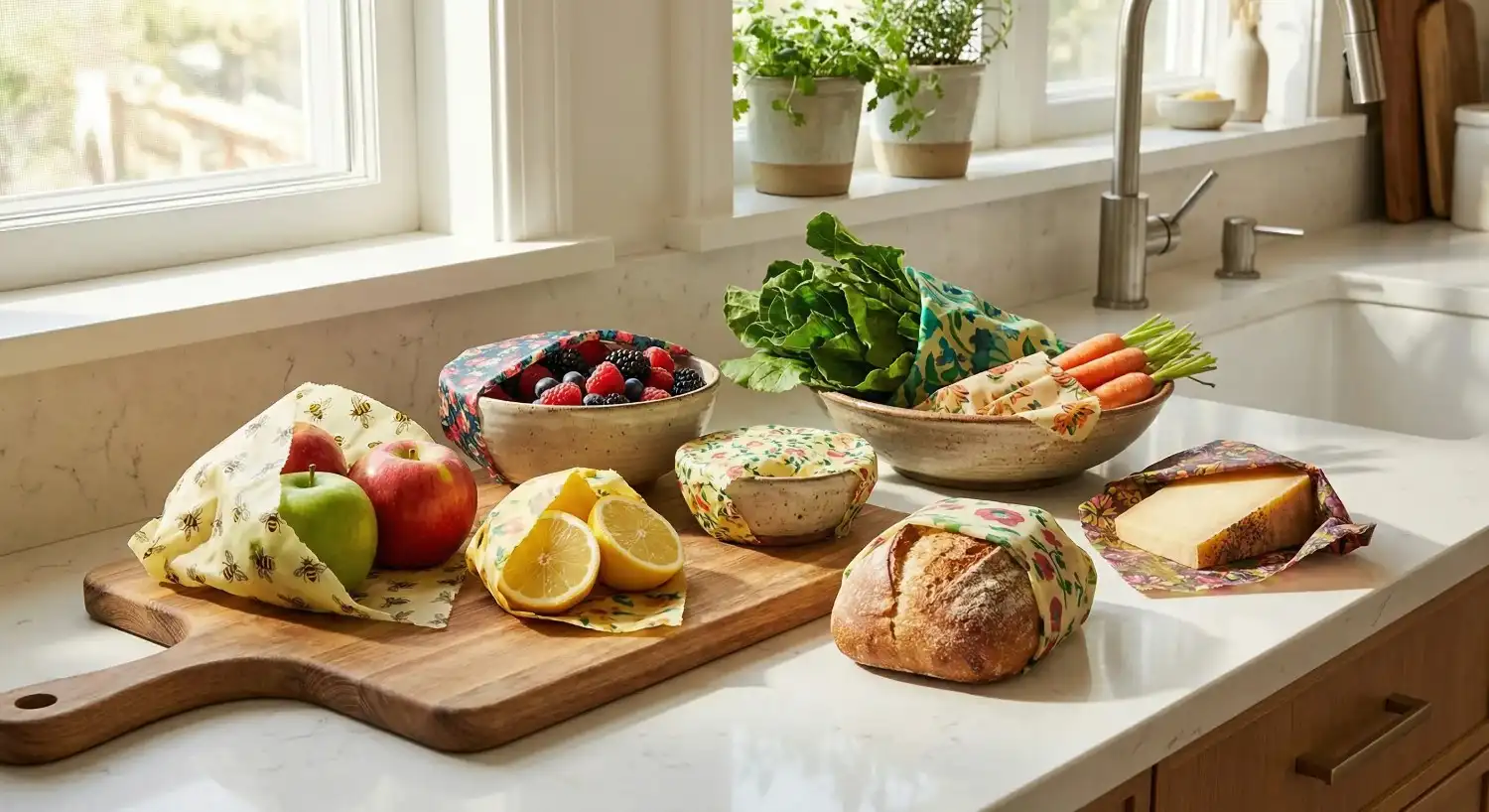

Plastic wrap has been a kitchen staple for years, but more households are now looking for safer and more sustainable alternatives. That shift has made beeswax wrap a popular choice for everyday food storage. So, what is beeswax wrap used for? In simple terms, it’s a reusable food wrap made from cotton coated with beeswax that helps keep food fresh without relying on single-use plastic.
From covering leftovers to packing a beeswax wrap sandwich for lunch, this guide will show you exactly how beeswax food wrap works, where it performs best, and whether it fits your kitchen routine.
Table of Contents
ToggleWhat Is Beeswax Wrap?
Beeswax wrap is a reusable alternative to plastic wrap designed to store food naturally. Often called bee wrap for food or reusable beeswax food wraps, it looks like fabric but works like flexible food covering. Many people also refer to it as beeswax paper because of its slightly waxy feel, though it’s far more durable than paper.
What Is It Made Of?
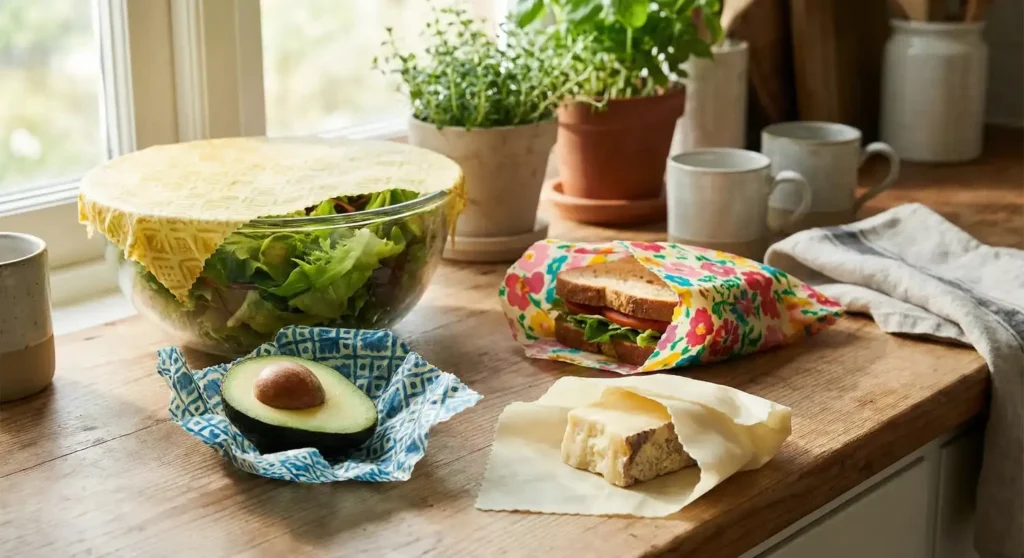
Most beeswax wraps are made from tightly woven cotton fabric coated with beeswax, jojoba oil, and tree resin.
- Cotton fabric provides structure and flexibility.
- Beeswax gives the wrap its natural stickiness and water resistance.
- Jojoba oil keeps the material soft and prevents cracking.
- Tree resin helps the wrap hold its seal.
These ingredients matter because together they create reusable food wraps that are flexible, lightly adhesive, and safe for storing everyday meals.
How Does Beeswax Wrap Work?
Beeswax wrap works through warmth and pressure. The heat from your hands softens the wax coating, allowing you to mold it around food or bowls. As it cools, it firms up and creates a gentle seal.
Unlike plastic, beeswax food wrap forms a breathable but protective barrier, helping food stay fresh while reducing moisture buildup.
What Is Beeswax Wrap Used For?
If you’re wondering what is beeswax wrap used for, the short answer is everyday food storage. A beeswax food wrap replaces single use plastic in most kitchen situations and works especially well for produce, leftovers, snacks, and baked goods.
Wrapping Fresh Fruits and Vegetables
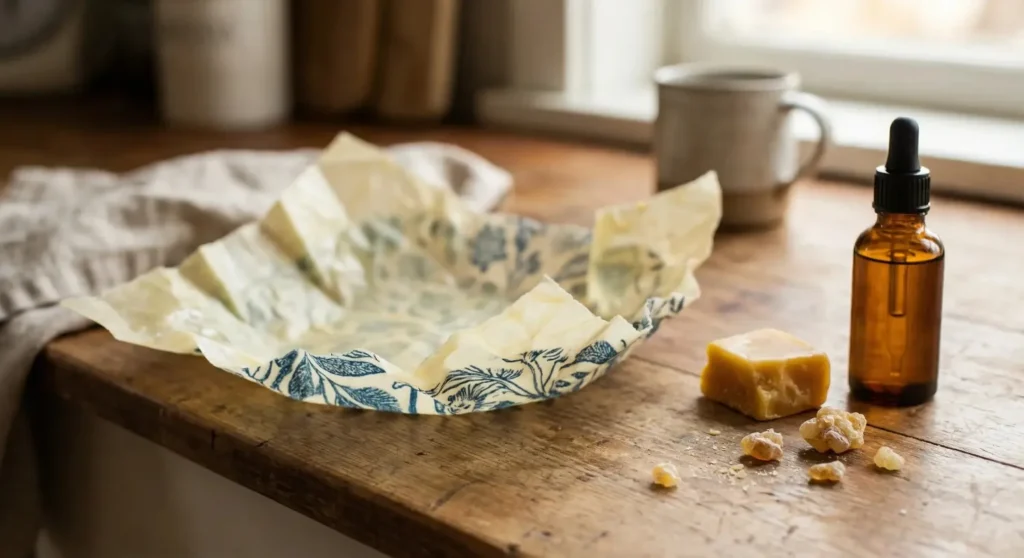
Beeswax wrap is ideal for whole produce like apples, cucumbers, and avocados. It also works well for cut produce such as half lemons, onions, or bell peppers. Simply press the wrap around the exposed side to protect it.
For herbs and leafy greens, reusable beeswax food wraps help reduce moisture loss while still allowing airflow. Unlike plastic, the breathable layer prevents condensation, which can cause greens to spoil faster. This balance helps keep vegetables fresh longer.
Covering Bowls and Leftovers
One of the most common uses of a bee wrap for food is covering bowls. Instead of plastic wrap, you can press beeswax paper over mixing bowls, salad bowls, or plates of leftovers.
It works best on glass, ceramic, or stainless steel containers because the surface allows a better seal. From cooked rice to pasta and stir fry, reusable beeswax wrap keeps meals protected in the fridge without trapping too much moisture.
Wrapping Sandwiches and Snacks
A beeswax wrap sandwich is one of the easiest swaps you can make. Wrap sandwiches, wraps, muffins, or sliced fruit for lunch packing, school meals, travel, or picnics.
The wrap keeps bread from drying out while preventing it from becoming soggy. Many people prefer bees wrap food wrap for daily lunch packing because it is reusable and easy to clean.
Storing Cheese
Cheese needs breathability to stay fresh. Plastic often traps moisture, which can lead to mold. Beeswax wraps allow air circulation while still protecting the surface.
Semi hard cheeses like cheddar, gouda, and swiss respond especially well. To wrap properly, fold the beeswax food wrap snugly around the cheese and press to seal.
Storing Bread and Baked Goods
Sourdough, rolls, and homemade bread can also be wrapped in bees wax wraps. The breathable layer prevents excessive drying while reducing surface moisture. This helps maintain texture without making the crust rubbery.
Using It in the Freezer (With Limitations)
Reusable food wraps can handle short term freezer storage for items like bread or baked goods. However, they are not ideal for long term freezing or high moisture foods. For extended freezer use, beeswax bags or other airtight options may perform better.
What Should You NOT Use Beeswax Wrap For?
While beeswax wrap is versatile, there are certain situations where it’s not recommended. Avoid using it with raw meat and fish, as the wrap cannot be fully sanitized and may harbor bacteria. Never wrap hot food straight from the oven, since heat can melt the wax and ruin the wrap. Beeswax wraps are also not microwave-safe, and should not go in the dishwasher. For long-term freezer storage, traditional freezer bags or airtight containers work better, as extended freezing can compromise the wrap’s protective qualities. Knowing these limits helps you get the most out of your reusable beeswax food wraps while keeping your kitchen safe.
Benefits of Using Beeswax Wrap
Beeswax wrap isn’t just an eco-friendly alternative—it offers practical advantages that make it a great addition to any kitchen.
Reduces Plastic Waste
By switching to reusable food wraps, you reduce reliance on single-use plastics. Many households adopting bee wrap for food find it an easy step toward a zero-waste kitchen, helping the environment while storing meals safely.
Saves Money Over Time
Though slightly more expensive upfront, beeswax wrap has a long lifespan. One set of wraps can replace dozens of rolls of plastic wrap, making it a cost-effective choice in the long run.
Keeps Food Fresher Naturally
The breathable design of beeswax food wrap allows air circulation while maintaining moisture balance. This keeps fruits, vegetables, cheese, and bread fresher longer compared to plastic, which can trap condensation and accelerate spoilage.
Chemical-Free Food Storage
Unlike plastic wrap, beeswax wraps don’t contain synthetic chemicals that can leach into food. Using bees wrap food wrap provides a natural, safe way to store meals while keeping them free from unwanted additives.
How Beeswax Wrap Keeps Food Fresh
Beeswax wrap works differently from traditional plastic wrap because it is breathable rather than completely airtight. This airflow prevents condensation from building up on fruits, vegetables, and cheese, which slows down mold growth and keeps food fresher for longer. The wrap’s natural coating of beeswax and tree resin also creates a gentle barrier against moisture loss, protecting delicate produce while allowing some air circulation. This balance is why beeswax food wrap is particularly effective for cheese, leafy greens, and cut fruits that spoil quickly under plastic.
How to Use Beeswax Wrap Properly
How to Activate the Wrap
Beeswax wraps are soft and moldable when slightly warmed. Simply use warm hands to press the wrap around food or containers. The heat softens the wax, helping it stick and form a secure seal.
How to Wrap Different Types of Food
- Bowl covering method: Place the wrap over the opening of a bowl or plate, press the edges down with your fingers, and let it cool to create a snug seal.
- Direct wrapping method: For items like sandwiches, bread, or cheese, fold the wrap around the food and gently press the edges together to secure.
How to Clean Beeswax Wrap
After use, rinse the wrap under cool water and use mild soap if needed. Avoid hot water, as it can melt the wax. Air dry completely before storing.
How to Store Between Uses
Fold the wraps neatly and keep them in a drawer or on a shelf away from heat sources. Proper storage ensures the wraps maintain their stickiness and last longer, making them a reliable alternative to disposable plastic.
Can You Refresh or Rewax Beeswax Wrap?
Over time, beeswax wraps can lose their stickiness or develop small cracks. When this happens, it’s often worth refreshing or re-waxing them to extend their life. Re-waxing involves applying a thin layer of melted beeswax over the fabric and allowing it to cool, restoring flexibility and adhesion. However, if the wrap is heavily stained, torn, or has absorbed strong odors, it’s better to replace it. Regular care and timely re-waxing can keep your reusable beeswax food wraps performing like new for months.
Is Beeswax Wrap Safe?
Beeswax wraps are generally safe for everyday food storage, but there are some considerations:
- Food safety: Avoid using wraps with raw meat or fish to prevent bacterial contamination. Always clean the wrap after use.
- Allergy concerns: Since the wraps contain beeswax, people with bee product allergies should use alternatives. Vegan wraps are available for those sensitive to bee products.
- Bacteria concerns: Proper cleaning and drying reduce the risk of bacterial growth. The breathable design helps food stay fresh without trapping excess moisture.
- Hygiene tips: Rinse with cool water, use mild soap when needed, and air dry completely before storing. Proper handling ensures your bees wrap food wrap stays safe and effective for everyday use.
Beeswax Wrap vs Plastic Wrap
When deciding between beeswax wrap and plastic wrap, several factors make the difference clear.
- Environmental impact: Beeswax wraps are reusable and biodegradable, making them a sustainable alternative to single-use plastic, which contributes to landfill waste. Switching to reusable food wraps can significantly reduce your household’s plastic footprint.
- Cost comparison: While beeswax wraps cost more upfront, they last for months and replace dozens of rolls of plastic wrap. Over time, this makes them a cost-effective option.
- Performance comparison: Plastic wrap creates an airtight seal, while beeswax food wrap is breathable. This breathability helps fruits, vegetables, and cheese stay fresher longer, though it’s not ideal for raw meat or long-term freezing.
- Convenience factor: Beeswax wraps require hand molding and occasional cleaning, while plastic is single-use. Many find the small extra effort worth it for sustainability and chemical-free storage.
Who Should Use Beeswax Wrap?
Beeswax wraps are versatile, but they shine for certain users:
- Eco-conscious households: Anyone looking to reduce plastic waste will benefit from bee wrap for food.
- Families packing lunches: A beeswax wrap sandwich keeps bread and snacks fresh while being reusable.
- Home bakers: Bread, rolls, and cheese stay fresher longer without plastic.
- Small kitchens: Reusable wraps save space and reduce clutter compared to rolls of plastic wrap or aluminum foil.
In short, if you value sustainability, freshness, and chemical-free storage, bees wrap is a practical addition to your kitchen.
Final Thoughts: Is Beeswax Wrap Worth Using?
Beeswax wrap is a versatile, eco-friendly solution for storing fruits, vegetables, cheese, bread, and even sandwiches. It’s a great choice for those seeking reusable food wraps that reduce plastic waste, keep food fresh naturally, and are chemical-free. However, it’s not ideal for raw meat, hot foods, or long-term freezer storage.
Overall, for everyday kitchen use, a beeswax food wrap is a sustainable and practical alternative. For more tips on eco-friendly kitchen tools, visit Best Eco Kitchen Tools.
Check Related Post: How to Cook with Stainless Steel Pans | Triply vs Stainless Steel Cookware | Beeswax Wrapping Paper | How to Store Beeswax Wraps | How Long Do Beeswax Wraps Last | How to Make Your Own Beeswax Wraps
Frequently Asked Questions
What is the use of beeswax wraps?
Beeswax wraps are used to store food like fruits, vegetables, cheese, bread, and sandwiches as a reusable alternative to plastic wrap.
What are the disadvantages of beeswax wraps?
They are not suitable for raw meat, hot foods, microwaving, dishwashing, or long-term freezer storage.
How long does a beeswax wrap last?
With proper care, a beeswax wrap typically lasts 6–12 months before needing replacement or re-waxing.
Can human skin absorb beeswax?
No, beeswax is safe and non-toxic; it does not get absorbed through the skin.