
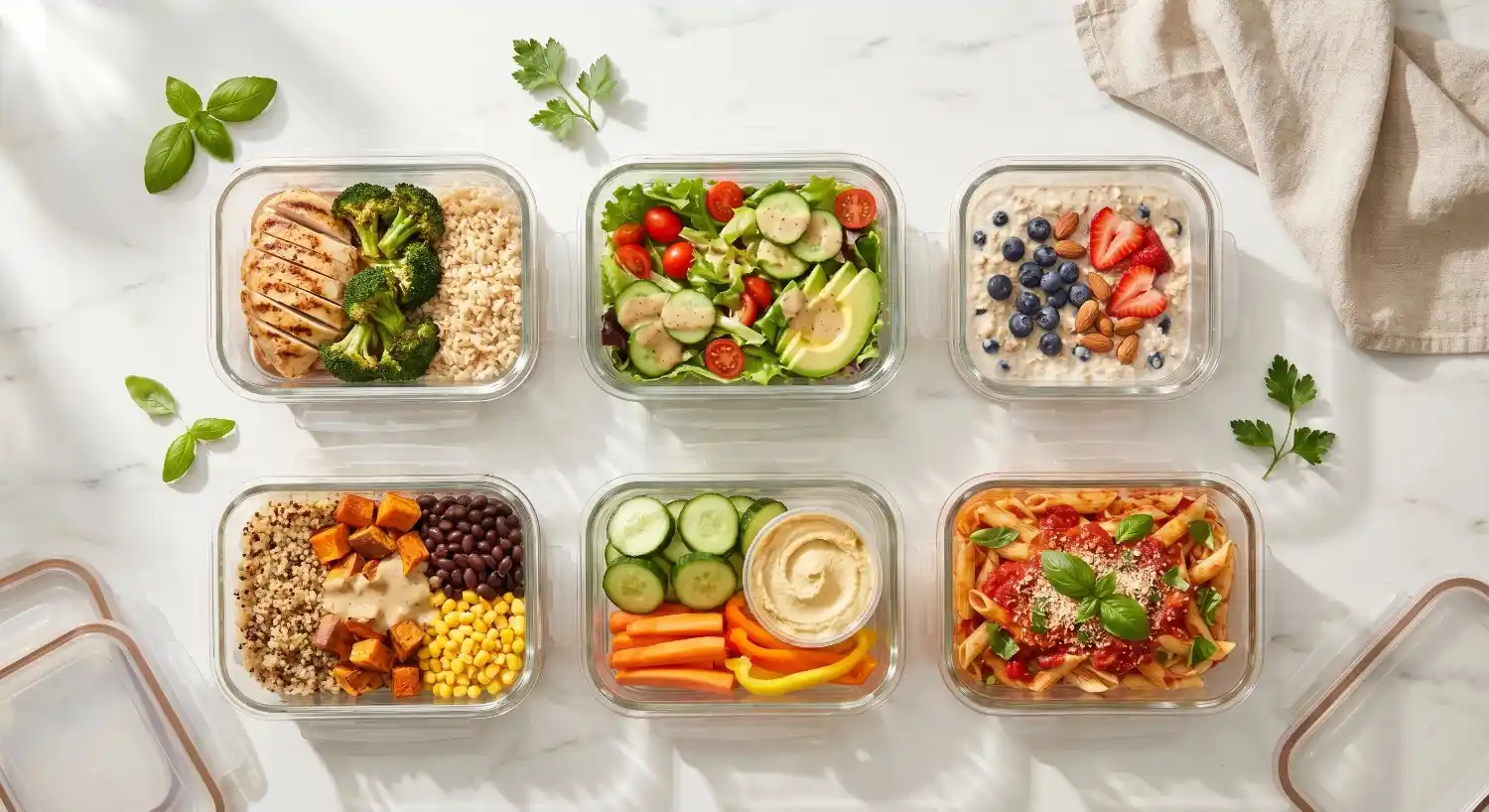

Meal prepping used to feel like a chore until I switched to glass. Once I made that shift, everything changed: my fridge looked cleaner, my food tasted fresher, and I stopped second-guessing what I was eating out of. If you’re thinking about upgrading your kitchen routine, this guide to the best glass containers for meal prep is exactly where to start.
What Are Glass Meal Prep Containers?
Glass meal prep containers are reusable, food-safe storage vessels made from glass usually borosilicate or tempered paired with secure lids. They come in all shapes and sizes, from compact single-serving bowls to large family-sized containers with multiple compartments.
Unlike disposable or single-use options, these containers are designed to go from your weekend prep session straight to the fridge, freezer, microwave, or oven. Many people use them as meal prep bowls portioning out proteins, grains, and veggies in advance so weekday meals are ready to grab and go.
They’re a staple in organized, health-focused kitchens. Whether you’re packing lunches, tracking portions, or simply trying to eat better, meal prep containers made from glass give you a clean, reliable foundation to work from.
Why Choose Glass Over Plastic?
This is the question most people ask first and the answer goes beyond aesthetics.
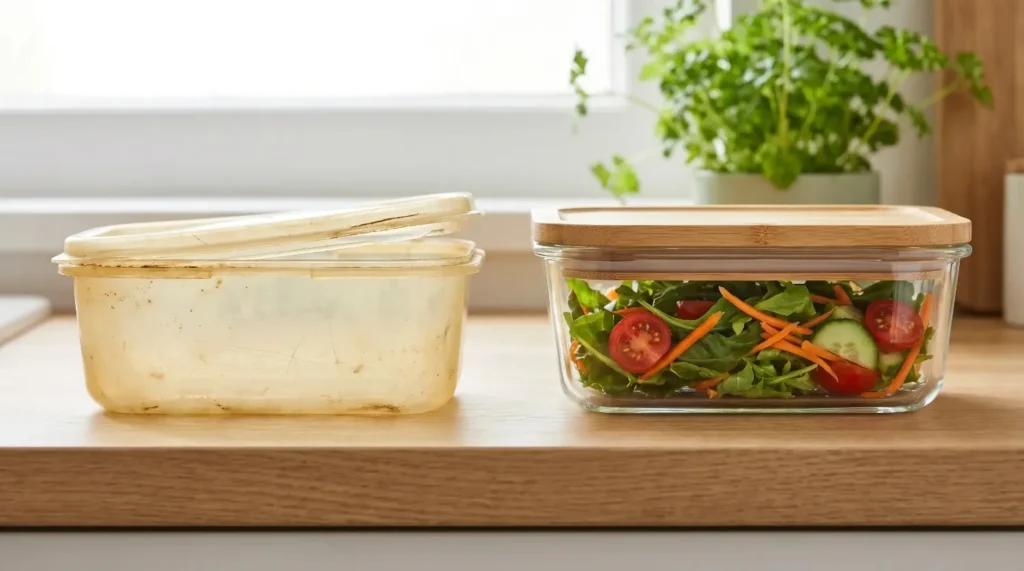
Plastic containers, even BPA-free ones, can leach chemicals into food over time, especially when heated. Research covered by Healthline on plastic safety highlights concerns about compounds in plastic food containers that may interfere with hormones and overall health. Glass, on the other hand, is chemically inert. It doesn’t absorb odors, stain from tomato sauce, or release anything into your food ever.
From a sustainability standpoint, glass wins too. It’s endlessly recyclable without losing quality, which aligns with what the EPA outlines in their recycling facts. Plastic degrades with each recycling cycle; glass doesn’t.
If you want a deeper breakdown, check out this comparison of glass vs plastic food containers it covers everything from durability to environmental impact. For meal prep BPA-free containers, glass is simply the gold standard.
Benefits of Glass Containers for Meal Prep
Switching to glass meal prep tupperware comes with a long list of advantages that go beyond just looks.
No chemical transfer. Glass is non-porous and non-toxic. It won’t absorb flavors or leach anything into your food, whether you’re microwaving leftovers or storing acidic dishes like tomato soup overnight.
Better food freshness. Glass keeps food fresher longer because it doesn’t trap odors or bacteria the way plastic can. Your prepped meals genuinely taste better when stored properly.
Temperature versatility. Quality glass containers can go from freezer to oven to microwave. That kind of flexibility means you can prep, store, and reheat all in one container — fewer dishes, less effort.
Eco-friendly and cost-effective. A good set of borosilicate glass meal prep containers can last for years, even decades. While the upfront cost is higher than plastic, you stop buying replacements every few months. Over time, they’re actually cheap containers for meal prep in the truest sense cheap per use.
Crystal-clear visibility. With clear glass food storage containers, you can see exactly what’s inside without opening anything. Meal planning and grocery shopping become far easier when you can take one glance at your fridge and know what you have.
Types of Glass Meal Prep Containers
Borosilicate vs Tempered Glass
These are the two most common types you’ll find. Borosilicate glass meal prep containers are made from a special glass formula that handles rapid temperature changes without cracking. They’re ideal if you’re regularly moving containers from freezer to oven. Tempered glass is stronger in terms of impact resistance and less expensive, but it’s more sensitive to sudden temperature shifts. For most home cooks, tempered glass works great. For more demanding use, borosilicate is worth the investment.
Single Compartment vs Multi-Compartment
Single-compartment containers are perfect for soups, grains, or single dishes. But if you like to keep foods separate like keeping your salad dressing off your greens, or your rice away from your stir-fry sauce 2 compartment glass meal prep containers or glass meal prep containers 3 compartment options are game-changers. Divided glass food containers help with portion control too, which makes them popular as meal prep containers for weight loss.
Snap-Lid vs Bamboo Lid
Snap lids (usually silicone-sealed plastic) offer a tight, leak-resistant seal great for saucy dishes and soups. Bamboo lids look beautiful and are more eco-friendly but are better suited for dry or less liquid-heavy foods. If sustainability is your top priority, bamboo-lidded glass bowls for meal prep are a stylish and responsible choice.
Oven-Safe vs Storage-Only
Not all glass containers are oven-safe. Always check the manufacturer’s rating. Oven-safe options let you bake directly in the container, which saves time and dishes. Storage-only containers are typically fine for fridge, freezer, and microwave use just not the oven.
Key Features to Look For
Shopping for the best meal prep glass containers isn’t complicated once you know what matters.
Material quality. Prioritize borosilicate glass for the most durable, temperature-resistant option. At minimum, look for tempered glass from a reputable brand.
Lid seal. A tight-sealing lid prevents spills and keeps food fresh longer. Look for silicone gaskets or locking tabs on snap lids.
Size variety. A good best glass container for meal prep set includes multiple sizes — small containers for snacks and sauces, medium for single meals, and glass containers with lids large enough for family portions or batch cooking.
Compartments. If you prep balanced meals, glass compartment meal prep containers or two compartment glass meal prep containers let you separate proteins, carbs, and vegetables in a single container without mixing.
Stackability. Space is valuable in a fridge. Look for containers that stack neatly so your fridge stays organized. Knowing how to organize glass tupperware often starts with choosing a uniform set that stacks well.
Dishwasher and microwave safe. Convenience matters. Make sure both the container and lid are dishwasher safe for easy cleanup.
Best Glass Containers for Meal Prep
Here are some of the top options worth your attention. For an even broader selection, check out this full roundup of the best glass containers for food storage.
Prep Naturals Glass Meal Prep Containers One of the most talked-about brands in the meal prep space, Prep Naturals glass meal prep containers come in sets with multiple sizes and feature airtight snap lids. They’re oven, microwave, and dishwasher safe — and the borosilicate glass holds up impressively well over time. A reliable choice for everyday mealprep containers.
Pyrex Meal Prep Bowls Pyrex is practically a household name. Their pyrex meal prep bowls are made from tempered glass and are widely available and affordable. They’re a classic choice for good tupperware for meal prep durable, practical, and easy to find replacement lids for.
OXO Good Grips Glass Containers OXO’s glass containers have a satisfying snap lid and are stackable, making them excellent for best meal prep storage containers in a busy kitchen. The locking mechanism keeps lids snug during transport.
Glasslock Containers with Dividers If you need glass meal prep containers with dividers, Glasslock makes excellent multi-compartment options. Their airtight and leak-resistant lids make them perfect as meal prep containers for salads keep your toppings and dressing separate until you’re ready to eat.
Bayco Glass Containers A newer but well-regarded brand, Bayco’s sets offer excellent value. They’re borosilicate, oven-safe, and come in sets with multiple sizes making them strong contenders for the title of best food storage containers for meal prep if you’re just getting started.
Large Batch Containers (Anchor Hocking / Weck) For batch cooking, you need large meal prep containers that can hold a full pot of soup or a week’s worth of grains. Anchor Hocking and Weck glass jars are popular for meal prep in jars they seal beautifully and look great on a pantry shelf. Speaking of which, meal prep jars are especially popular for overnight oats, chia puddings, and meal prep breakfast containers.
Glass Portion Control Containers For those watching macros or managing calorie intake, glass portion control containers in a uniform size (typically 2-cup or 3-cup) help make consistent portioning effortless. Pair these with a food scale for precise meal prep containers for weight loss results.
How to Use Glass Containers for Meal Prep
Using glass containers effectively is less about technique and more about building a rhythm.
Start with a plan. Decide what you’re prepping for the week breakfasts, lunches, dinners, or all three. This helps you figure out what sizes and how many containers you need.
Batch cook on a schedule. Most people choose Sunday afternoon for their main prep session. Cook grains, proteins, and roasted vegetables in bulk, then divide them into your meal prepping containers glass once cooled.
Cool food before sealing. Never seal hot food in a glass container. Let it cool to room temperature first to prevent condensation from building up inside, which shortens shelf life.
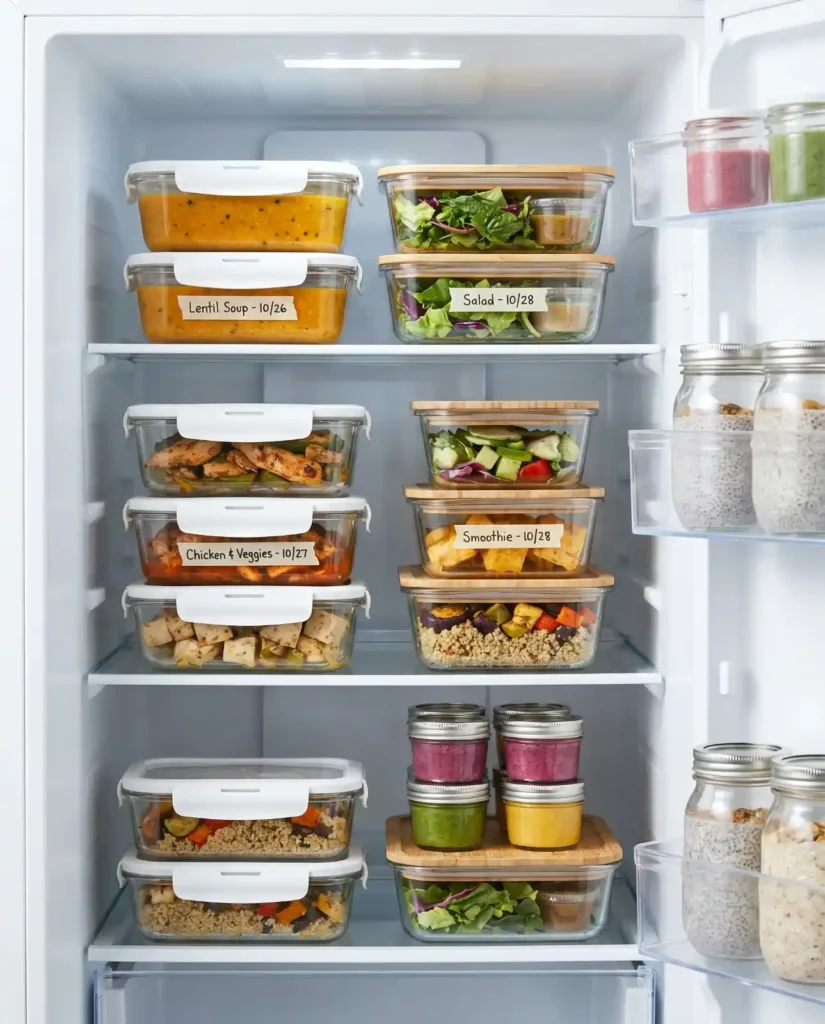
Label everything. Use masking tape and a marker, or invest in reusable silicone labels. Note what’s inside and the prep date. Proper labeling follows basic food storage best practices — the NSF offers helpful guidance on food storage and handling.
Use your fridge space wisely. Stack similarly-sized containers and keep proteins on lower shelves where it’s coldest. For dry goods and long-term storage, consider pantry storage solutions this guide on pantry storage for glass containers is full of practical ideas.
Reuse confidently. Unlike plastic, your glass food storage containers meal prep won’t degrade or discolor over time. They’re the same great container on year three as they were on day one.
How to Choose the Right Glass Container for Your Needs
The “best” container is the one that fits your actual lifestyle. Here’s a quick framework.
If you pack lunches at work: Go for lunch prep containers with leak-proof lids and compartments. Two-compartment containers keep your main dish separate from sides or snacks.
If you batch cook grains and proteins: Choose medium to large single-compartment containers around 3 to 5 cups in capacity. These are the most versatile best food prep containers for everyday cooking.
If you make salads in advance: Meal prep containers for salads and best containers for salad options should have tight lids and ideally a divider or separate sauce container to prevent sogginess.
If you meal prep breakfasts: Smaller jars or containers (1 to 2 cups) work well for overnight oats, yogurt parfaits, or egg muffins. These make excellent meal prep breakfast containers.
If you cook for a family: Large containers and multi-piece sets make more sense. Look for sets of 5, 10, or more pieces so you have enough for several days of meals.
If you’re focused on weight management: Glass portion control containers in standard sizes help take the guesswork out of serving sizes.
Reasons Meal Prep is Better in Glass Containers
Health and Safety
Glass is non-toxic and inert. It meets strict food safety standards because it doesn’t react with food regardless of temperature, acidity, or storage time. No BPA, no phthalates, no surprises.
Versatile Cooking
A single glass container can handle prep, storage, reheating, and even baking. That level of versatility means fewer items cluttering your kitchen and more streamlined cooking overall.
Long-Lasting Durability
Glass doesn’t warp, stain, or degrade. A quality set of best glass food prep containers can serve you for a decade or longer making it genuinely one of the most cost-effective choices over time.
Easy Maintenance
Glass cleans up easily, doesn’t hold onto smells, and goes straight in the dishwasher. There’s no scrubbing out turmeric stains or trying to get rid of leftover garlic smell issues that plague plastic containers constantly. Choosing glass also helps cut down on household kitchen waste by reducing the number of disposables you go through. The EPA’s recycling facts also note that glass is one of the most recyclable materials available.
Can You Freeze, Bake, and Microwave in the Same Container?
Short answer: sometimes it depends on the glass type and the manufacturer’s instructions.
Borosilicate glass is your best bet for this kind of multi-use flexibility. It handles extreme temperature changes more gracefully than tempered glass. With borosilicate glass meal prep containers, you can typically freeze, microwave, and bake in the same container but always let it come to room temperature before moving from extreme cold to extreme heat.
Tempered glass is more affordable but less forgiving. It can crack if moved directly from the freezer to a hot oven. Microwave use is generally fine; oven use depends on the brand.
Key rules to follow:
- Remove lids before microwaving or baking (most plastic lids aren’t oven-safe)
- Don’t add frozen glass containers directly to a preheated oven
- Let frozen containers thaw slightly before microwaving
- Always check the manufacturer’s guidelines for specific temperature limits
Looking for containers built specifically to handle freezer conditions? This roundup of the best freezer containers for glass storage is a great reference.
Are Glass Containers Worth It?
Absolutely especially if you cook regularly and care about what goes into your body.
Yes, glass containers cost more upfront than plastic. But they last far longer, perform better across the board, and don’t carry the health concerns associated with plastic. When you factor in years of use, they’re often cheaper per meal than replacing cheap plastic sets every year.
They also make your kitchen feel better. There’s something satisfying about a fridge full of neatly stacked, clearly visible glass tupperware meal prep you can see exactly what you have, nothing smells strange, and your meals look genuinely appetizing.
For anyone committed to eating well, reducing waste, and simplifying their routine, switching to the best containers for meal prepping in glass isn’t just worth it it’s one of the best kitchen decisions you can make.
Frequently Asked Questions
Are glass meal prep containers safe for microwaves?
Yes, most glass meal prep containers are microwave safe. Always remove the lid first (or use a microwave-safe vent cover), and avoid microwaving containers that are cracked or chipped. Check your specific brand’s guidelines for temperature limits.
Can glass containers go from freezer to oven?
Borosilicate glass containers generally can, but you should let the container come to room temperature first rather than placing a frozen container directly into a hot oven. Tempered glass is not recommended for oven use after freezing due to the risk of thermal shock.
Do glass containers break easily?
Not with normal use. Tempered glass is designed to resist everyday impacts, and borosilicate glass handles temperature changes better than standard glass. Dropping containers on hard floors is the biggest risk, but most quality brands are built to handle kitchen life.
Are glass containers better for meal prep?
Yes, for most people. They’re non-toxic, don’t absorb odors or stains, keep food fresher longer, and are more durable over time than plastic. The versatility of going from fridge to microwave to oven in one container also makes the meal prep process genuinely smoother.
What is the healthiest type of glass for food storage?
Borosilicate glass is widely considered the healthiest and safest option for food storage. It’s free from harmful chemicals, highly heat-resistant, and extremely durable. It’s the material used in most lab glassware, which speaks to its purity and stability.
What’s the best container to use for meal prep?
The best meal prep container depends on your needs, but borosilicate glass containers with airtight lids especially those with compartments if you prep full meals are hard to beat. Brands like Prep Naturals, Pyrex, and Glasslock consistently rank among the best food containers for meal prep for home cooks.