

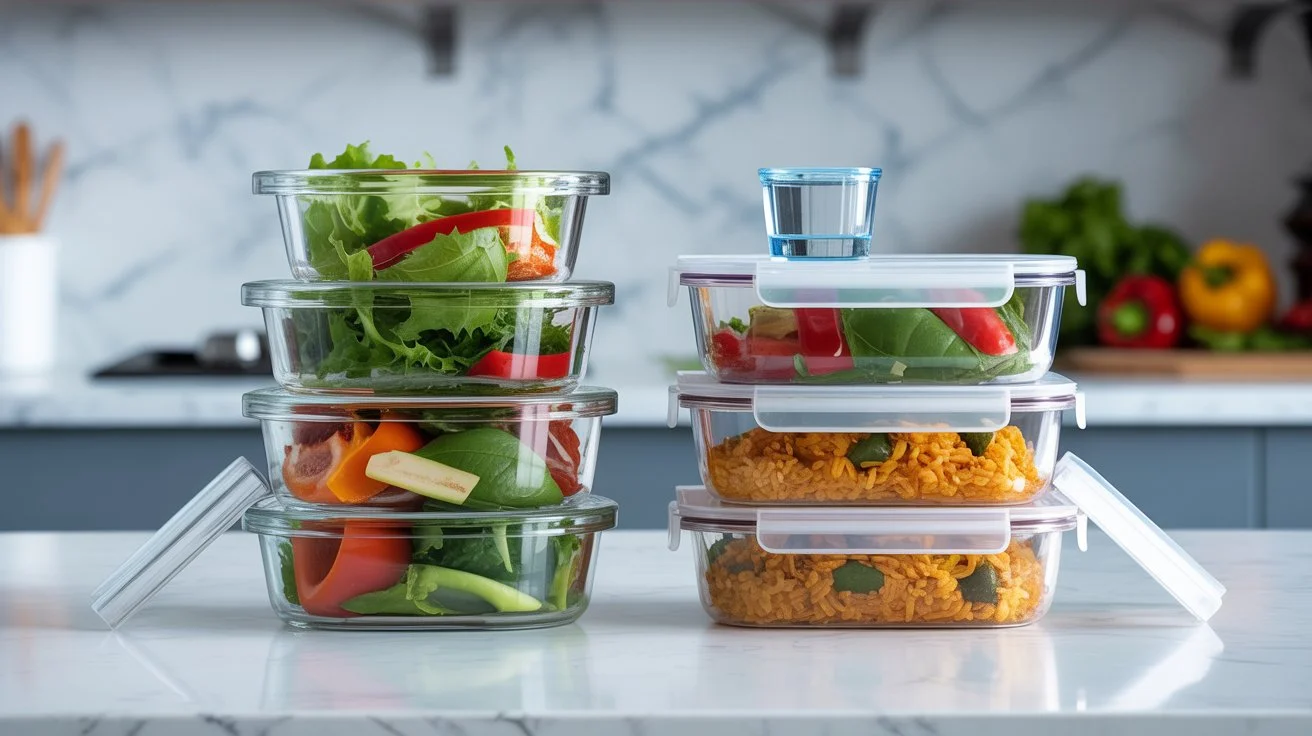

It is an everyday dilemma that quietly influences our health, budget, and impact on the planet: choosing the right container for storing our food. Making a simple decision between glass vs plastic food containers might seem minor, but it matters immensely. Your choice affects how fresh your leftovers stay, how safely you reheat meals, and what chemicals might be migrating into your food over time. In this comprehensive guide, we will unpack the entire glass vs plastic food containers debate, giving you the facts you need to make an informed, confident decision.
Understanding Glass and Plastic Food Containers
Before we dive into the comparison, it is essential to understand the materials themselves, as not all glass or plastic is created equal. The type of material drastically influences its performance and safety profile in your kitchen. Knowing these differences is the foundation of making an educated purchase decision.
Types of Glass Food Containers
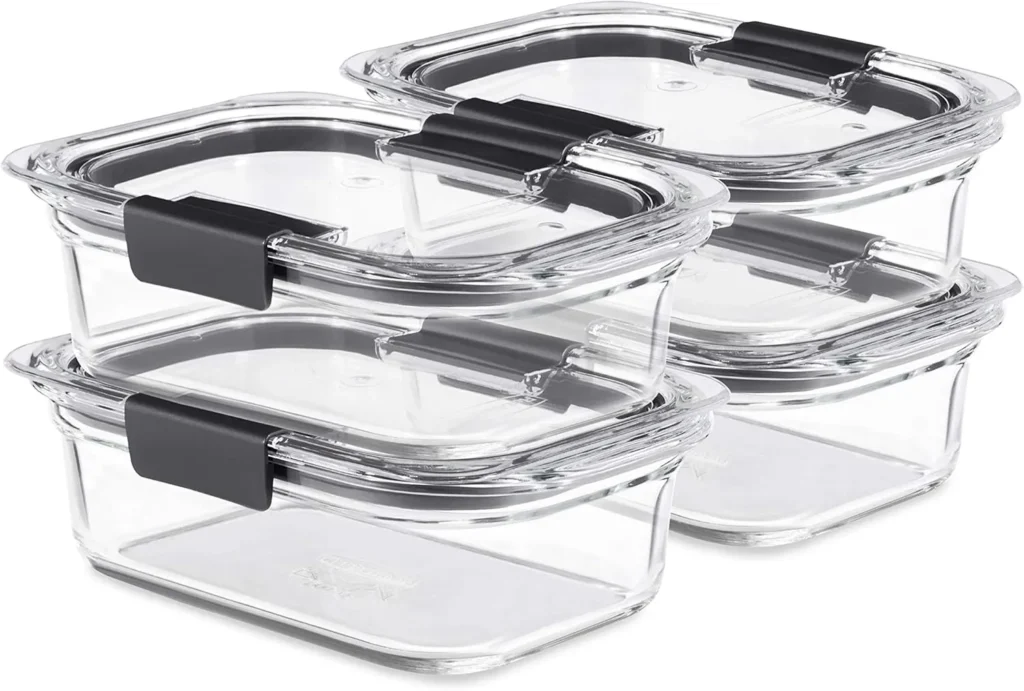
High-quality glass food containers are typically made from a few specific types of glass. The best is often borosilicate glass, which is famous for its resistance to thermal shock, meaning it can handle extreme temperature changes, like moving straight from the freezer to a hot oven. Another common type is tempered glass, which has been specially treated to make it four to five times stronger than standard glass and safer, as it shatters into large, dull pieces rather than sharp shards.
Types of Plastic Food Containers
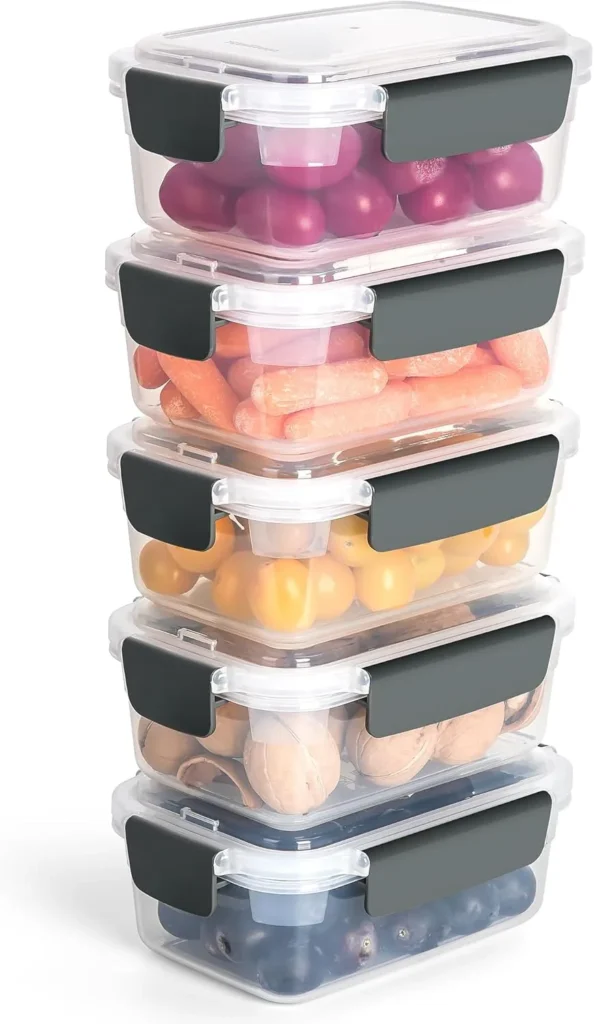
Plastic containers are much more diverse and confusing, identified by their resin identification codes (the number inside the recycling triangle). The safest and most popular food-grade plastics are HDPE (High-Density Polyethylene), PP (Polypropylene), and PET (Polyethylene Terephthalate). You should be cautious of older plastics like polycarbonate which sometimes contained BPA. Modern regulations have pushed many manufacturers toward BPA-free plastics, but it is still wise to check the recycling code.
Key Properties We Will Compare
The best way to judge the battle between glass vs plastic food containers is by comparing specific, non-negotiable properties. We will focus intensely on three crucial areas: health and safety (chemical leaching and inertness), durability and practicality (weight, thermal range, and cleaning), and finally, environmental impact (recyclability and longevity). These factors will determine which material is the true long-term winner for your household.
Health and Safety Considerations
The most critical factor for many people when choosing food storage is health and safety, particularly concerning chemical exposure. Here, the difference between glass and plastic is stark, influencing what we decide to put our food into for storage and reheating. This section highlights why glass is often viewed as the gold standard for long-term health.
Chemical Leaching and Migration
Plastic containers, especially when heated or worn, run the risk of chemical leaching, where substances migrate from the container into the food. The two most infamous chemicals are BPA (Bisphenol A), an endocrine disruptor, and phthalates, which can interfere with hormone function. Even so-called “BPA-free” plastics can sometimes use BPS or BPF, which are similar and may carry comparable health risks.
Reactivity and Inertness: Glass as Non-Reactive Material
One of glass’s greatest strengths is its complete non-reactivity or inertness. Glass is made from natural materials like sand and does not contain any petroleum-based chemicals, unlike plastic. This means that no matter how hot the glass gets, or how acidic or oily the food is, zero chemicals will transfer into your meal. This makes glass the most trusted material for maintaining the purity of your food.
Regulations, Food-Contact Safety Symbols and “Food Grade” Labeling
Consumers should always look for containers explicitly labeled as “food grade” or displaying the official food-contact safety symbol. In the US, look for FDA approval, and in the EU, look for the ‘fork and wine glass’ symbol, which confirms the material is safe for contact with food. This symbol is critical, particularly when evaluating plastic food containers, as industrial plastic is definitely not safe for kitchen use.
Risks with Damaged or Scratched Containers
Both materials lose integrity when damaged, but plastic poses a distinct risk when scratched or cracked. Scratches on plastic food containers create microscopic valleys where bacteria can settle and multiply, making them difficult to clean thoroughly. Furthermore, damaged plastic may release more microplastics into your food, a growing concern that is prompting many people to switch entirely to glass.
Durability, Usability, and Practicality
While safety is primary, the practical daily use of your containers significantly impacts your experience. When comparing glass vs plastic food containers, factors like weight, thermal range, and odor retention make a huge difference in how convenient they are for meal prepping and daily storage. Glass and plastic each have their clear advantages and disadvantages in terms of sheer practicality.
Weight, Fragility, and Breakage Risks
The most significant downside of glass food containers is their heavier weight and risk of fragility or breakage. This makes them less ideal for children’s lunchboxes or for people who are highly active and carry their bags all day. Plastic, by contrast, is extremely lightweight and shatterproof, making it the clear winner for ultimate portability and worry-free use outside the home.
Stains, Odours, and Retention of Smells
Plastic is notorious for absorbing strong food odours, especially from heavily spiced dishes like curries, and is easily stained by tomato sauce or turmeric. Glass, being non-porous and non-reactive, is completely resistant to stains and odour retention. A glass container will look and smell exactly the same after storing bright red curry as it did when it was new, offering a huge long-term aesthetic benefit.
Thermal Performance: Fridge, Freezer, Microwave, Oven
The thermal versatility of high-quality glass food containers is unmatched. Glass can safely go from the fridge or freezer directly into the oven or microwave, allowing for simple, one-container cooking and reheating. Plastic is limited: while some are labelled microwave-safe, they should never go into an oven, and even microwaving can promote chemical leaching, making glass the safer thermal choice.
Stackability, Storage Convenience, and Portability
Plastic containers often win on convenience because they are designed to be extremely light and can be easily nested together for compact storage in cabinets. Modern glass food containers are improving, often featuring sleek, uniform designs for efficient stacking, but they will always take up more room and be less forgiving in a tightly packed freezer or picnic basket. This trade-off is often a key point in the glass vs plastic food containers debate.
Ease of Cleaning, Dishwasher Compatibility
Both plastic and glass are generally dishwasher-safe, but glass is definitively easier to clean effectively. Because glass resists oil and does not hold onto food residue or smells, it comes out of the dishwasher sparkling clean every time. Plastic sometimes requires extra scrubbing to remove greasy residue or stains, confirming glass as the superior choice for guaranteed hygienic cleaning.
| Feature | Glass Food Containers | Plastic Food Containers |
| Weight | Heavy and bulky | Light and portable |
| Stain/Odor | Completely resistant | Prone to staining and absorbing smells |
| Thermal Range | Excellent (Freezer to Oven/Microwave) | Limited (Microwave only, with caution) |
| Safety Risk | None (Inert) | Risk of chemical leaching (BPA, etc.) |
| Longevity | Very long-lasting | Requires regular replacement |
Preservation, Freshness, and Performance
When you store food, the main goal is preservation, keeping meals fresh, tasty, and safe for as long as possible. The material of the container plays a crucial role in preventing spoilage and maintaining the original flavour profile of your carefully prepared meals. The quality of the seal and the container’s permeability are the decisive factors here.
Airtight Seals, Moisture, and Gas Barriers
The most critical element for freshness is a truly airtight seal, which both glass and high-quality plastic containers can achieve, typically using silicone- or rubber-gasketed lids. However, the container material itself is important, too. Glass offers a perfect barrier to moisture and oxygen transfer, which helps slow down spoilage. Some thinner plastics can be slightly porous, meaning they do not offer the same protection.
How Well Food Stays Fresh in Glass vs Plastic
Because glass is non-porous and creates a superior seal, food generally stays fresh for a longer time compared to most plastic options. This is especially noticeable for delicate items that quickly go stale or change texture when exposed to air. For long-term refrigeration of meal-prepped lunches or bulk ingredients, glass provides that extra margin of error against premature decay.
Flavor and Odor Transfer and Absorption
A major benefit of using glass food containers for storage is the complete absence of flavor and odor transfer. Plastic can not only absorb the smell of previous contents but can also sometimes impart a slight “plastic” taste, particularly to fats or oils. Glass keeps your food tasting exactly as it was meant to, providing a cleaner, purer eating experience when reheating leftovers.
Impact of Reheating (Glass vs Plastic)
Reheating is where the differences become most pronounced and risky. Reheating in glass is safe and recommended. As the material is stable even at high temperatures and will not change the food’s composition. Reheating in plastic food containers, even those labelled ‘microwave safe,’ increases the rate of chemical leaching, meaning you are directly encouraging those endocrine disruptors to move into your food.
Environmental and Sustainability Factors
In today’s market, sustainability is a key consideration for many buyers who are weighing up glass vs plastic food containers. The environmental impact covers everything from the materials used to their transport, lifespan, and ultimate fate in the recycling system or the landfill. Here, the longevity of glass provides a strong counter-argument to the initial advantages of lightweight plastic.
Recyclability: Glass vs Plastic Life Cycle
From a circular economy perspective, glass containers are often considered the more sustainable choice because glass is 100% and infinitely recyclable without loss of quality. While some plastics (like PET and HDPE) are recyclable, most food storage plastics (like PP) are not easily processed by municipal recycling programs, and the plastic can only be downcycled into lower-grade items.
Carbon Footprint and Transport Cost (Weight)
The main environmental strike against glass is its carbon footprint during transport. Due to its weight, shipping glass containers requires more fuel and therefore generates more carbon emissions compared to shipping the same number of lightweight plastic containers. This must be weighed against the long-term benefit of glass’s virtually infinite lifespan and superior end-of-life recycling.
Longevity and Need for Replacement
Glass containers, with proper care (avoiding drops), can last for decades or even a lifetime, making the need for replacement virtually zero. By contrast, most plastic is considered a consumable item that should be replaced every few years, particularly once it becomes stained, scratched, or starts to warp. The longer lifespan of glass often makes it the more sustainable choice in the long run.
Waste and Landfill Impact
Any non-recyclable item eventually ends up contributing to landfill waste, and unfortunately, this is the fate of many discarded plastic food containers. Choosing glass significantly reduces your personal contribution to plastic waste. Furthermore, glass is inert in a landfill, while plastic takes hundreds of years to break down, potentially contributing to soil and water pollution as it degrades.
Cost and Value Over Time
Price is often the initial tie-breaker for consumers comparing glass vs plastic food containers. While plastic is almost always cheaper upfront, a savvy buyer considers the total cost of ownership, factoring in longevity, replacement costs, and even the intangible costs related to health and food preservation. This long-term view often reveals a surprising winner.
Upfront Costs: Glass vs Good-Quality Plastic
The initial upfront costs for a set of high-quality glass containers are significantly higher than for a comparable set of basic plastic containers. Expect to pay at least 50% to 100% more for a set of borosilicate glass containers with quality lids than for a set of BPA-free plastic ones. This initial hurdle is the primary reason why many budget-conscious buyers initially choose plastic.
Longevity and Return on Investment
Despite the higher starting price, glass offers a far superior return on investment (ROI). A good set of glass containers may last ten years or more, whereas a popular estimate suggests replacing plastic containers every two to three years. Over a decade, the cost of repeatedly replacing cheap plastic often surpasses the one-time cost of purchasing durable glass, making glass the better value.
When Plastic Makes Sense (Budget, Use Case)
There are undeniable scenarios where plastic is the most sensible choice. For individuals on a very tight budget or those who need extremely lightweight, easily replaceable containers for single-use or high-risk situations (like camping or travel), plastic is the clear winner. For example, a student who needs simple bulk storage might find basic plastic meets their immediate needs better than expensive glass.
Hidden Costs (Replacement, Health Risk, Disposal)
Do not forget the hidden costs associated with plastic. These include the cost of frequent replacement, the potential long-term cost of health issues linked to chemical exposure, and the cost of time spent trying to remove stubborn stains or smells. Investing in glass is essentially an insurance policy against these less obvious, yet real, expenditures.
When to Prefer Glass, When Plastic is Acceptable
The final decision of glass vs plastic food containers ultimately comes down to the specific use-case. By adopting a “best of both worlds” approach, you can maximize safety and convenience while minimizing cost and risk. Using the right container for the right task is the smartest approach for any modern kitchen.
Meal Prep, Bulk Storage, and Leftovers
Prefer Glass: For all fridge and freezer meal prep, bulk storage, and daily leftovers. Since you will likely reheat these meals, glass provides the non-reactive, safe environment needed for both storage and heating. The superior airtight seal also ensures the quality of your food is maintained for several days.
Packing Lunch and Portability
Prefer Plastic: For portability, especially when packing lunches for work or school, or when you are carrying food in a hiking backpack. The reduced weight and shatterproof nature of plastic make it ideal for active, on-the-go scenarios where accidental drops are a real possibility.
Freezing, Chilling, and Reheating
Prefer Glass: Always use glass when you plan to go from the freezer or fridge directly into the oven or microwave. This eliminates the need to transfer food, reducing cleaning and ensuring the safest possible reheating. This is the single biggest advantage of high-quality borosilicate glass.
For Children and On-The-Go Use
Prefer Plastic: For young children, their safety must be prioritized over everything else. Lightweight, shatterproof plastic containers are the only sensible choice for children’s school lunches to eliminate the risk of broken glass, a safety hazard that is simply not worth taking.
Mixed Strategy: “Best of Both Worlds”
A balanced mixed strategy is often the most practical solution. Use your durable, safe glass containers for all home-based storage, freezing, and reheating. Keep a small, high-quality set of BPA-free plastic containers solely for travel, gym bags, and children’s lunches. This approach gives you the safety of glass without sacrificing portability.
Tips for Choosing and Maintaining Containers
Choosing the right container is only the first step; proper maintenance ensures their longevity and maximum safety. Follow these guidelines to get the most out of your chosen storage materials, regardless of whether you opt for glass food containers or plastic ones.
What to Look for in Glass Containers
When purchasing glass, always look for tempered or borosilicate glass, as these types are designed for thermal shock and durability. Pay close attention to the lid seal; the best seals use a thick silicone or rubber gasket that snaps tightly shut, ensuring a completely airtight environment. Make sure the glass itself is clear and free from any obvious manufacturing defects.
What to Look for in Plastic
If you choose plastic, only buy containers labeled BPA-free. Check the resin codes (the number in the recycling triangle): prioritize codes #2 (HDPE) and #5 (PP), as these are generally considered the safest food-grade plastics. Look for containers with thick walls as they will warp less easily and stand up better to repeated use and washing.
Best Practices: Avoid Heating Plastic, Don’t Use Scratched Containers
As a general rule, you should avoid heating plastic in the microwave, even if it is labelled safe; always transfer the food to a ceramic or glass plate first. You should also regularly inspect your plastic containers and immediately discard any that are heavily scratched, cracked, or warped, as they pose the greatest risk of chemical leaching and bacterial growth.
Cleaning and Care Tips
To remove common stains from plastic, try soaking the container in a mixture of warm water and baking soda or leaving it in direct sunlight for a few hours. For both materials, always ensure the lids and seals are completely dry before storing them away, as residual moisture can encourage the growth of mold or mildew in the cabinet.
How Often to Replace Plastic Containers
A rule of thumb for health-conscious individuals is to replace plastic containers every 1 to 3 years, depending on how often they are used and how well they have been cared for. If the plastic is stained, sticky, warped, or showing cloudiness, it is definitely time to throw it out and invest in a new, safer container, perhaps considering a permanent switch to glass.
Pros and Cons for Your Decision
When weighing the choice between glass vs plastic food containers, understanding the core advantages and disadvantages of each material is crucial. Use this quick summary to ensure you pick the best container for your health and lifestyle needs.
Glass Food Containers: The Ultimate Choice for Health and Longevity
Pros:
-
- Superior Health Safety: Glass is a non-porous, chemically inert material, meaning zero chemicals (like BPA or phthalates) will leach into your food, even when heated.
-
- Thermal Versatility: Can safely be used for freezing, refrigeration, oven baking, and microwaving, reducing the need to transfer food.
-
- Immaculate Hygiene: Glass is non-staining and non-porous, meaning it does not absorb food odors, tastes, or colors (like tomato sauce or curry).
-
- Exceptional Longevity: With proper care, glass can last for decades, providing the best long-term value and reducing the need for constant replacement.
-
- Eco-Friendly: Glass is 100% and infinitely recyclable without loss of quality, making it a highly sustainable material.
Cons:
-
- Heavier Weight: Glass is significantly heavier than plastic, making it less convenient for carrying in large quantities or for long commutes.
-
- Breakage Risk: It can shatter if dropped, posing a safety risk, especially in the kitchen or around children.
- Higher Upfront Cost: Glass containers are generally more expensive to purchase initially than comparable plastic sets.
Plastic Food Containers: The Practical Choice for Portability and Budget
Pros:
-
- Maximum Portability: Plastic is extremely lightweight and shatterproof, making it ideal for school lunches, hiking, travel, and children’s use.
-
- Lower Initial Investment: Plastic containers are significantly cheaper upfront, making them a budget-friendly option for bulk storage.
-
- Space Efficiency: Most plastic designs are created to easily stack and nest within each other, saving valuable cupboard space.
Cons:
-
- Chemical Leaching Risk: Even BPA-free plastics can potentially leach chemicals when scratched, worn, or heated, raising long-term health concerns.
-
- Poor Odor and Stain Resistance: Plastic easily absorbs strong food odors and is notorious for staining (especially from tomato and turmeric).
- Short Lifespan: Plastic warps over time and should be replaced every few years, increasing the cost of ownership and contributing to waste.
Final Verdict
The final verdict comes down to your priorities. If long-term health, durability, and thermal safety matter most, then high-quality glass food containers remain the smartest choice. They are safe for reheating, long-lasting, and help preserve the purity and taste of your meals without the risk of chemical leaching.
However, if lightweight convenience, portability, and budget are your main concerns, certified BPA-free plastic containers can still be a practical alternative especially for cold storage and short-term use. Still, when comparing glass containers vs plastic, glass tends to offer greater long-term value and reliability for daily home use.
A balanced approach often works best. Take inventory of what you already have and start replacing old, cloudy, scratched, or warped plastic items with durable, high-quality glass containers. This gradual transition lets you enjoy the safety and strength of glass while keeping a few lightweight plastic pieces for situations where portability matters.
We’d love to hear your experience. Do you follow a mixed storage strategy? Which type of container fits your weekly meal prep routine best? Share your thoughts in the comments below and tell us why you prefer your favorite option. Start making safer, smarter food-storage choices today.